
Education
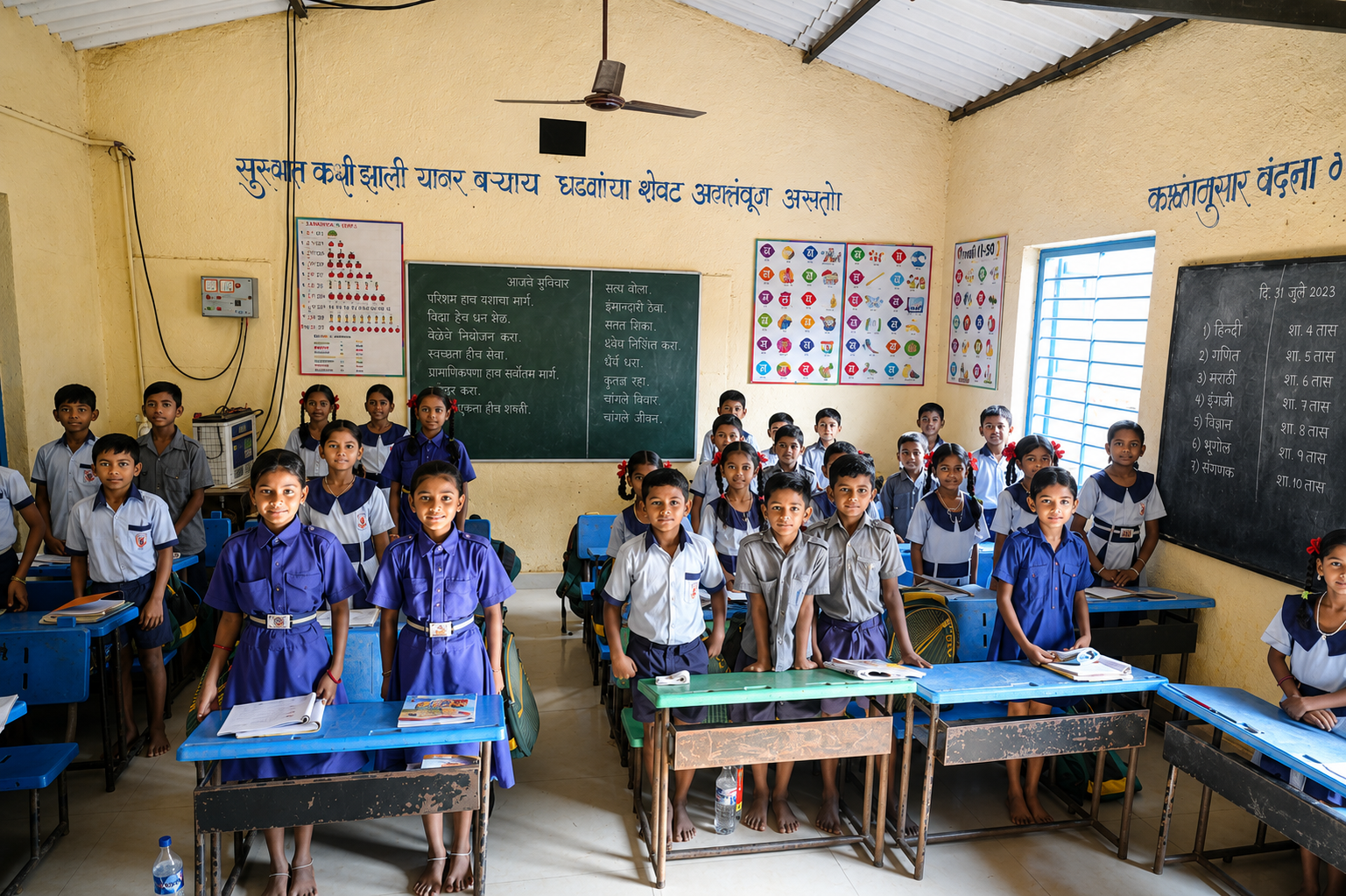
PRASAD Chikitsa’s Education Program was launched in 1991 to ensure that talented and determined students from underprivileged communities in the Tansa Valley have the opportunity to pursue academic and vocational success. The program addresses economic barriers to education through scholarships, academic awards, and full sponsorships—empowering students to achieve their potential.
Program launched:
1991
Diseases targeted
Diarrhea, cholera, typhoid
Environmental Benefi
Groundwater recharge
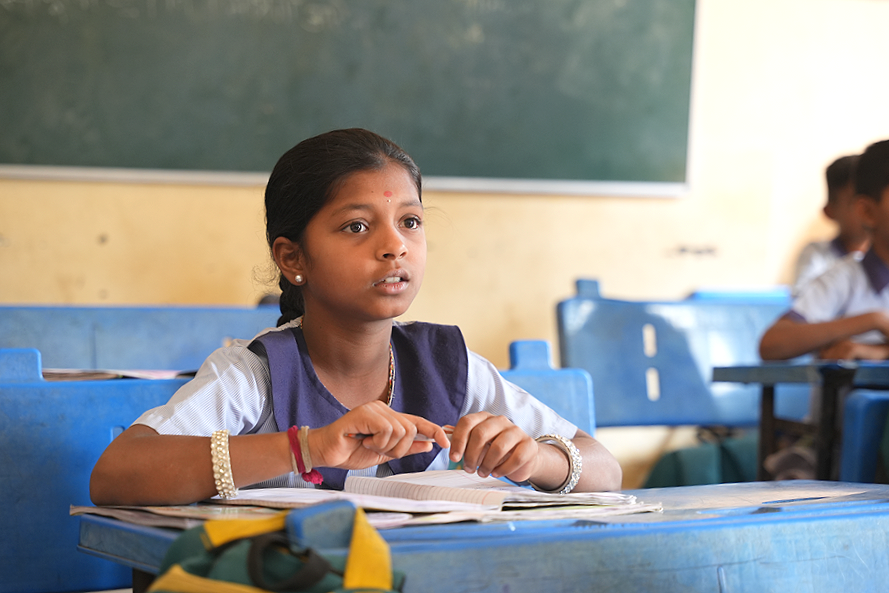
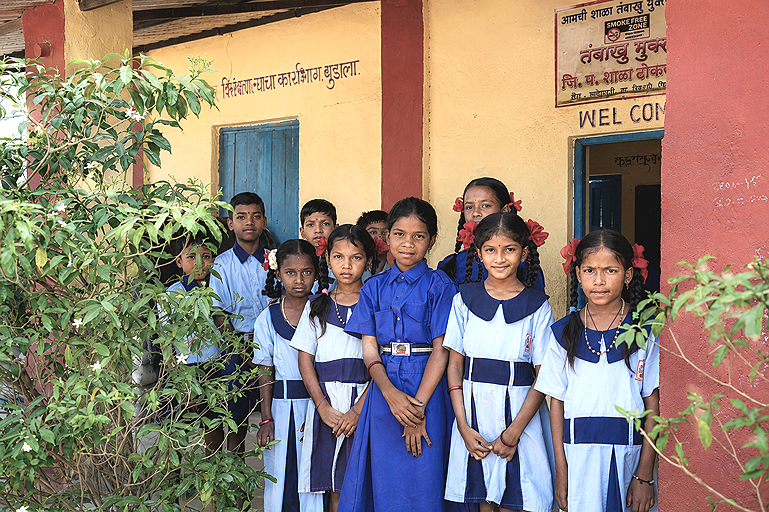
Many children and youth in the Tansa Valley face limited access to education due to financial hardship, lack of educational support, and low motivation. Without financial aid or encouragement, school dropout rates remain high, particularly beyond primary education. Students with strong academic potential are often unable to pursue higher studies or technical training because of poverty.
How We Are Solving It
-
Scholarship Program
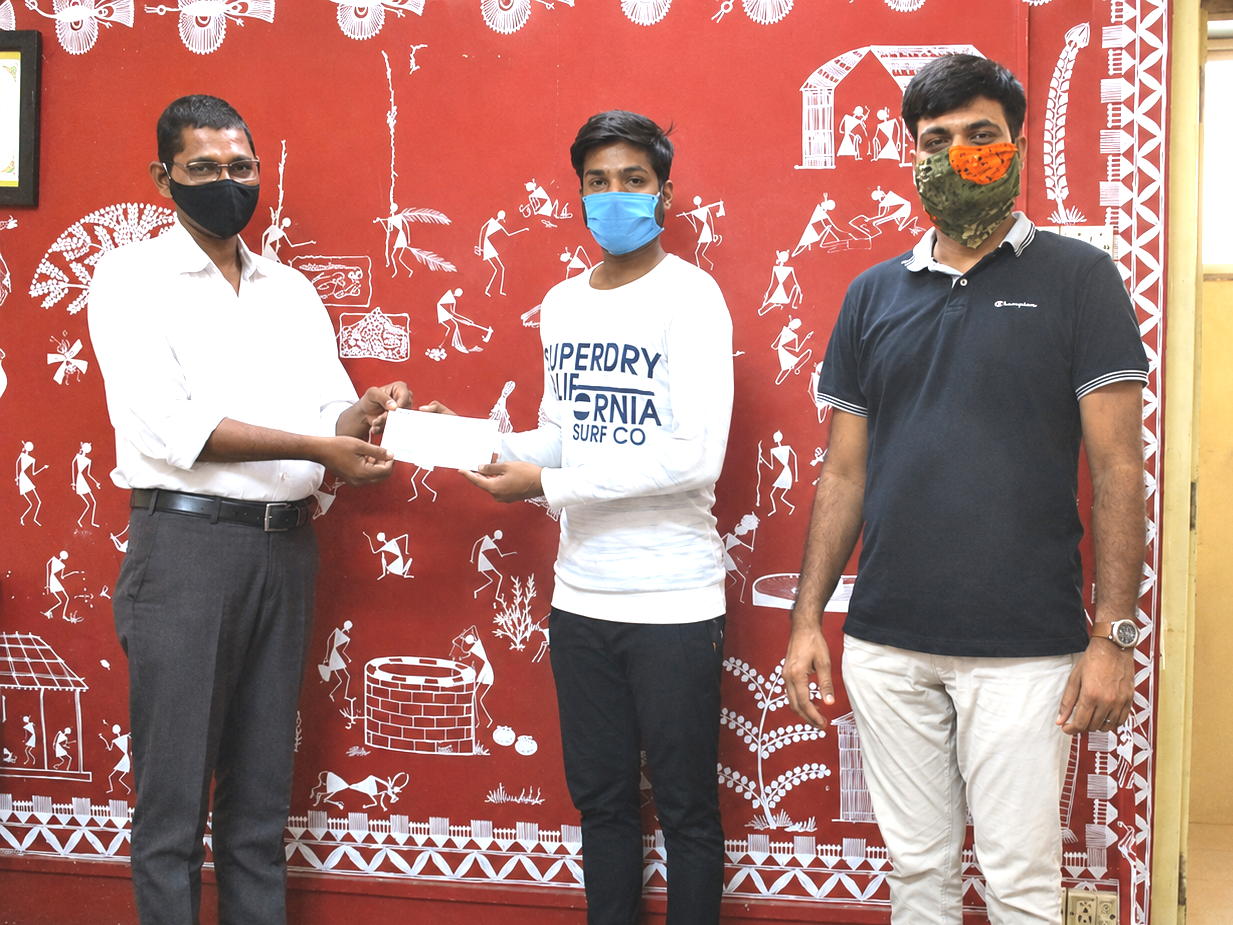
For students demonstrating exceptional merit and significant financial need, PRASAD Chikitsa offers full educational sponsorship. This includes tuition fees, books, hostel accommodation, and meals—ensuring students can fully focus on their studies without financial stress.
Launched in 1991, this program provides financial support for academic and vocational education. After a rigorous interview and aptitude assessment, scholarships are awarded to deserving students for 1–4 year courses in technical, professional, or academic fields.
-
Award Program
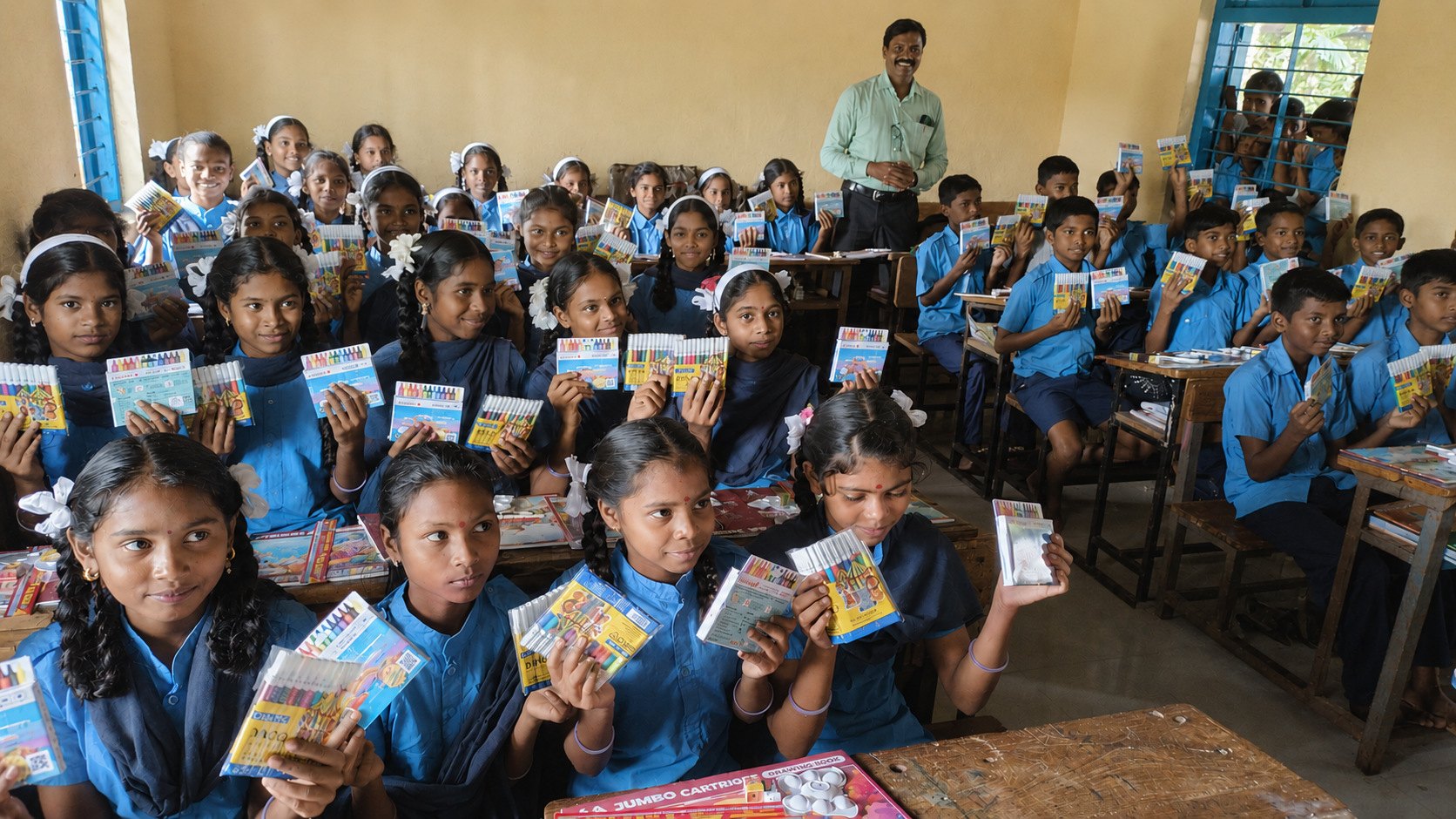
This program promotes academic excellence in 50 local primary schools by offering school supplies and books to high-performing students. These rewards foster motivation and healthy academic competition and have contributed to a reduction in school dropout rates.
Impact
PRASAD Chikitsa’s Education Program has helped hundreds of students complete school, enroll in technical programs, and attend college. By removing financial barriers and recognizing academic excellence, the program has empowered youth to break the cycle of poverty and become changemakers in their communities.