Floriculture
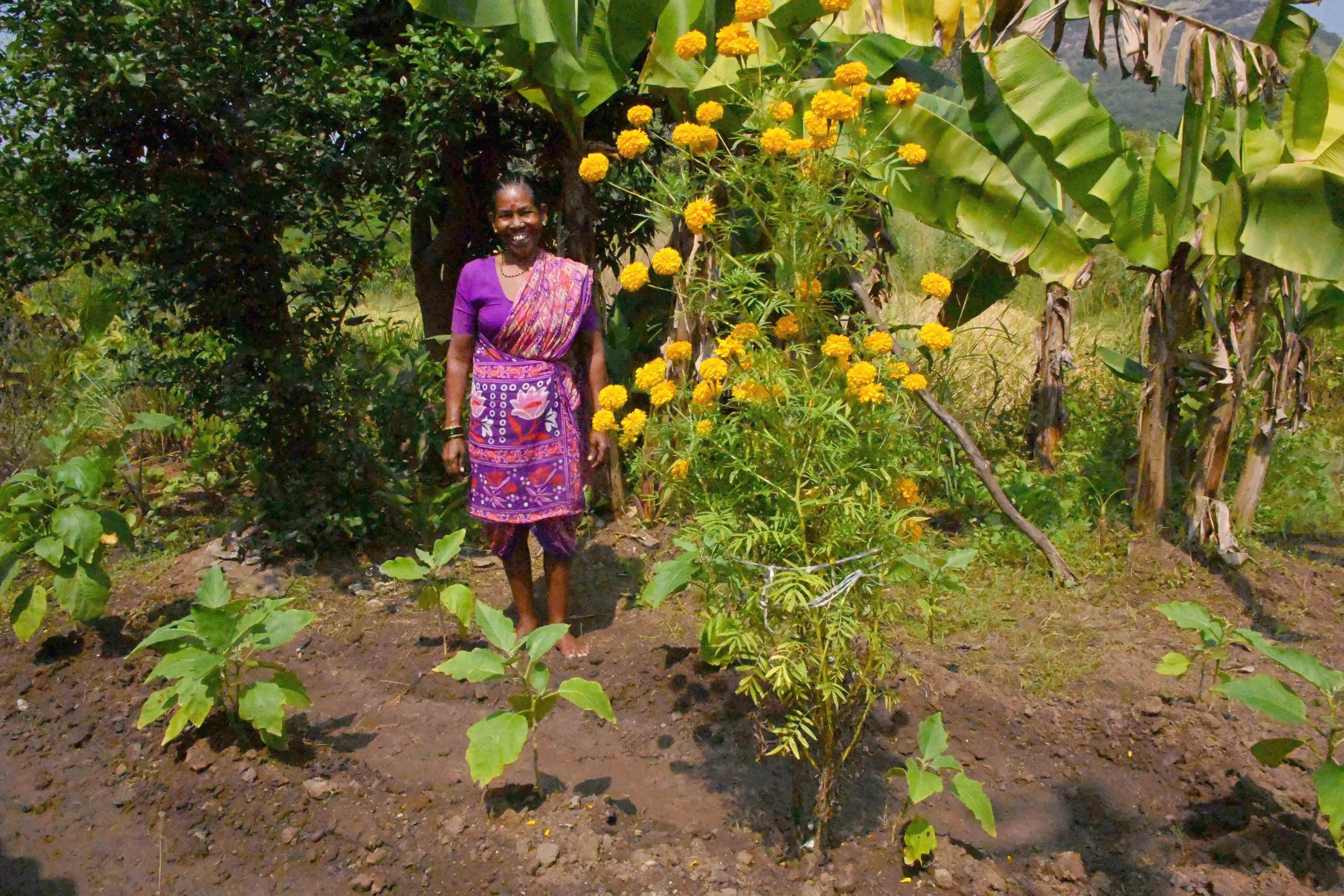
Initiated in 2008, the Floriculture Program by PRASAD Chikitsa was developed to supplement the seasonal income of farmers who traditionally grow only two paddy crops per year. By promoting flower cultivation as a year-round source of revenue, the program enables farmers to diversify their agricultural practices and improve financial stability. The initiative integrates organic farming methods and market-driven crop selection to maximize returns from small landholdings.
Program launched:
2008
Number of saplings planted
1,41,052
Farmers enrolled
469
In the Tansa Valley, many small and marginal farmers rely solely on seasonal paddy cultivation, resulting in extended periods of idle land and low annual income. Orchards, while lucrative in the long term, take 5–6 years to mature. The lack of short-term income sources has historically led to economic instability and labor migration. Additionally, mono-cropping practices deplete soil health and reduce resilience to market and climate fluctuations.
How We Are Solving It
-
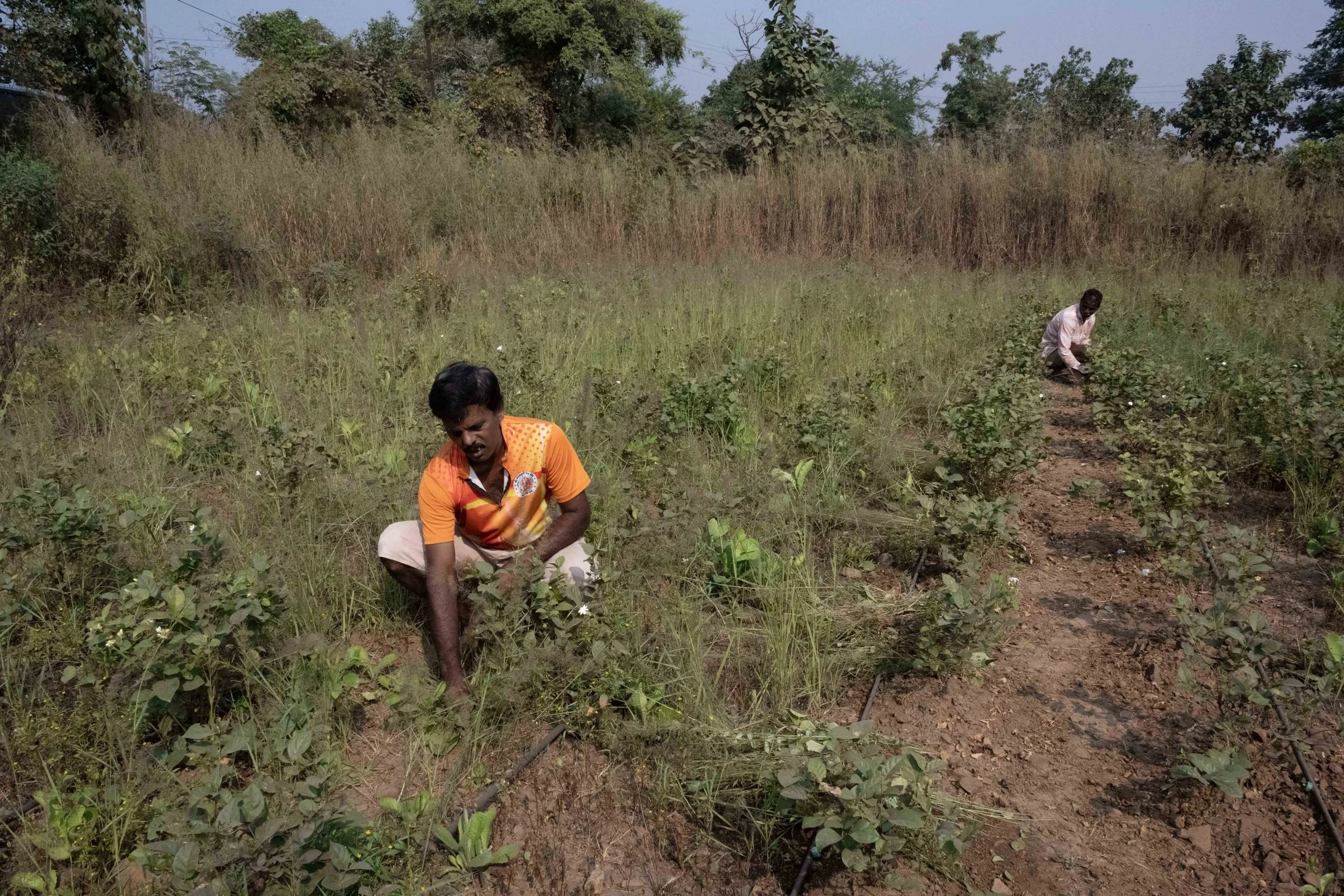
Integrated with Orchard (WADI) Farming
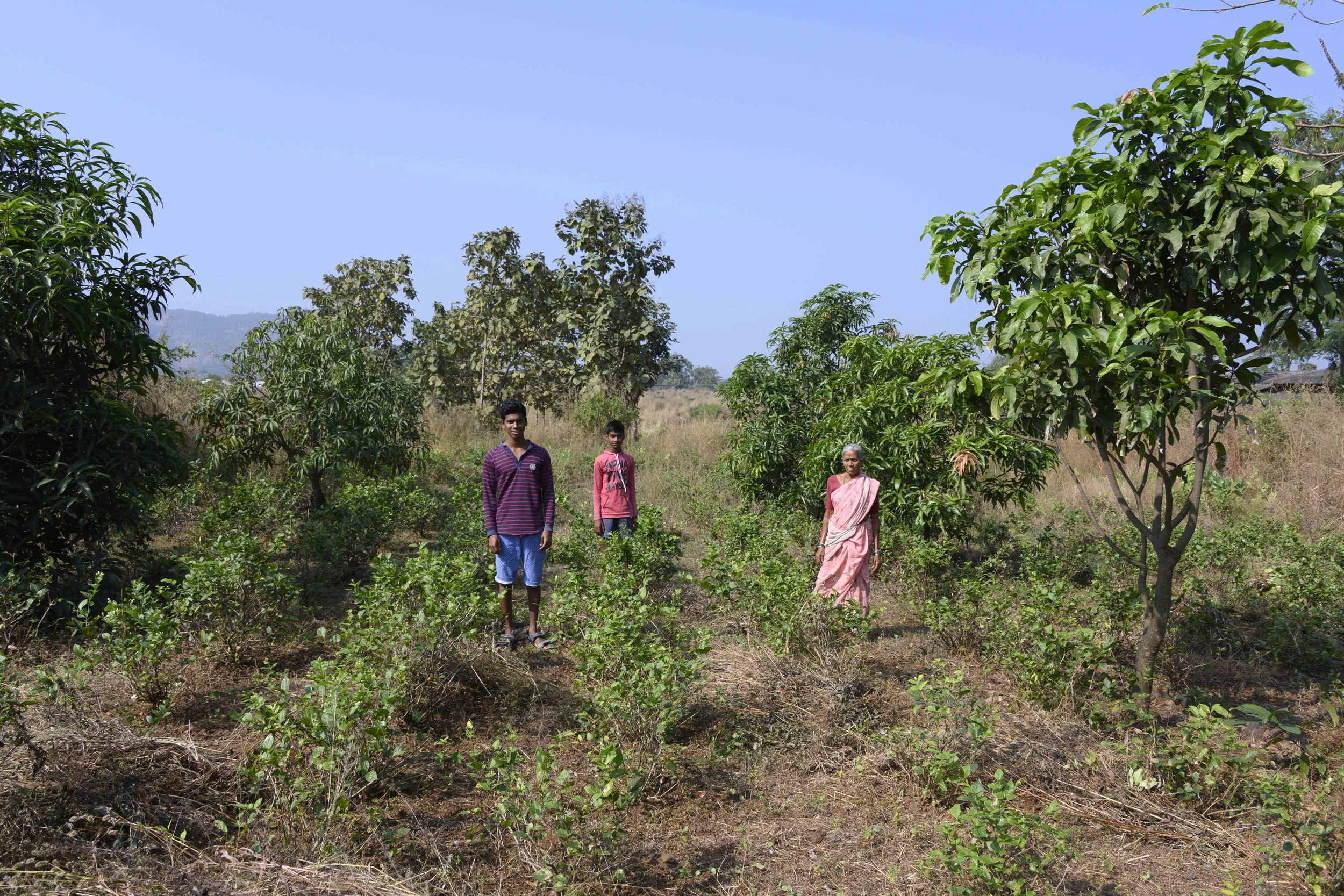
Floriculture is commonly practiced between orchard rows as a secondary crop
Adds biodiversity and supports better soil structure and nutrient retention
Flowers bloom early—within the first 1–2 years—while fruit trees take 5–6 years to yield
-
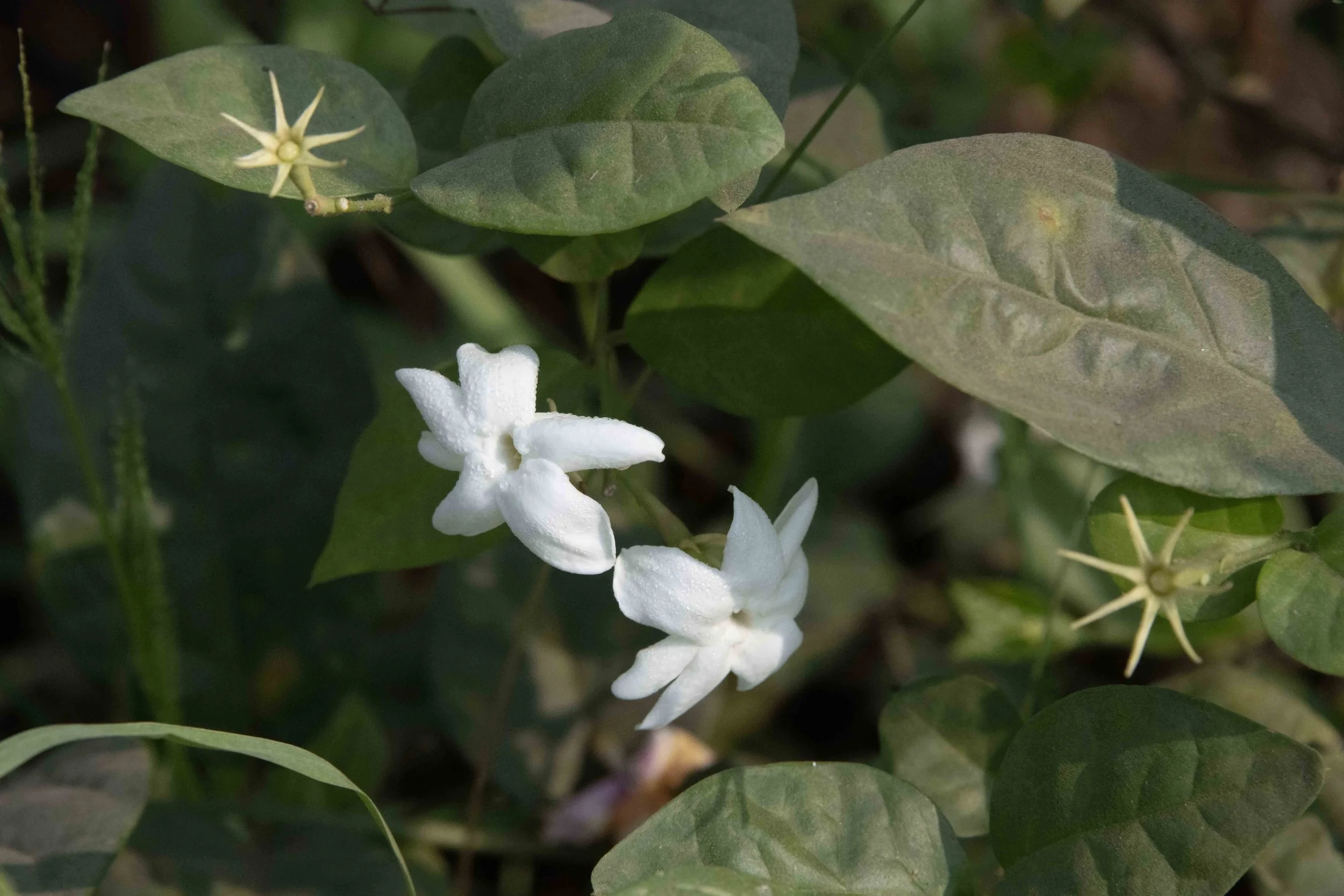
Market-Driven Selection
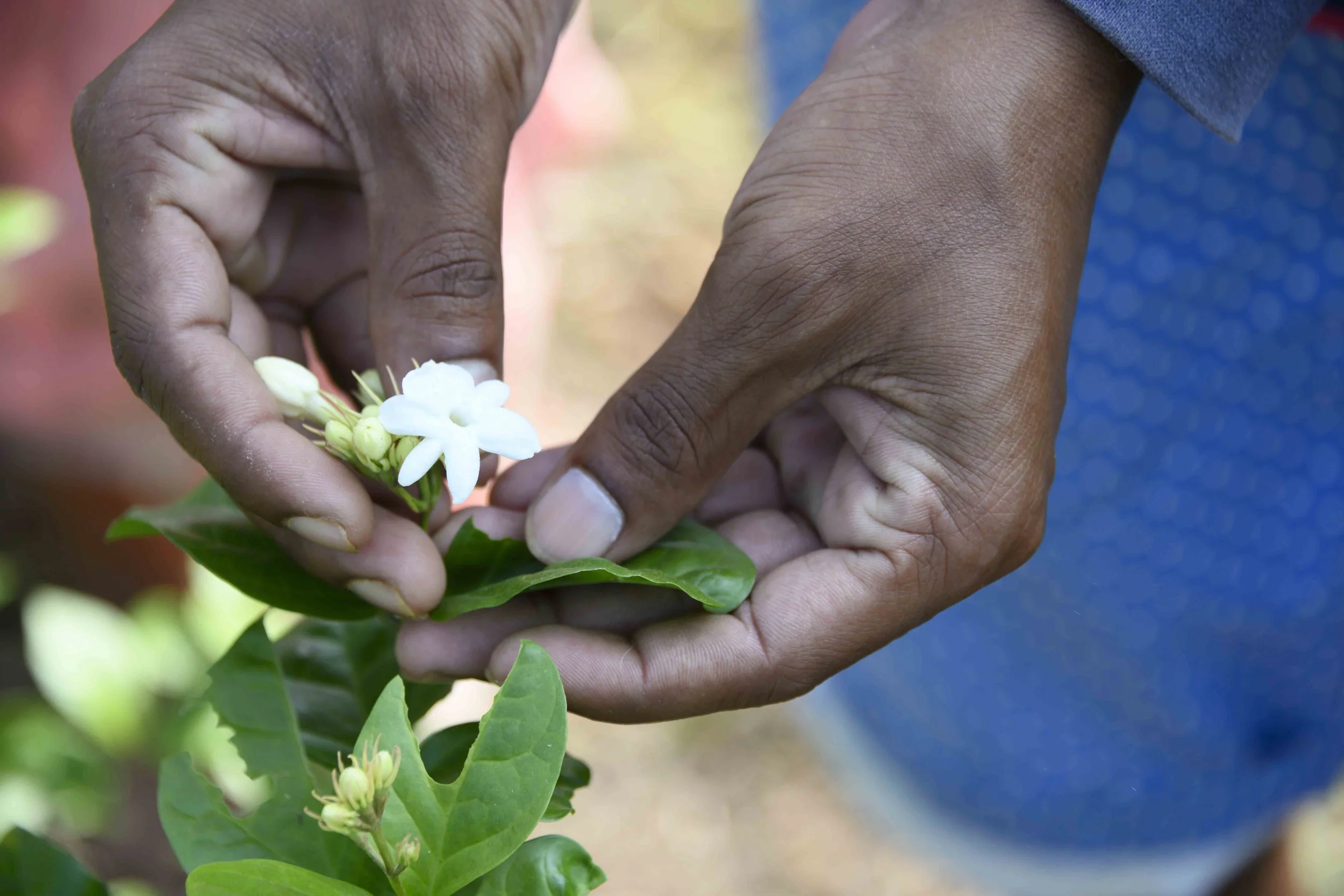
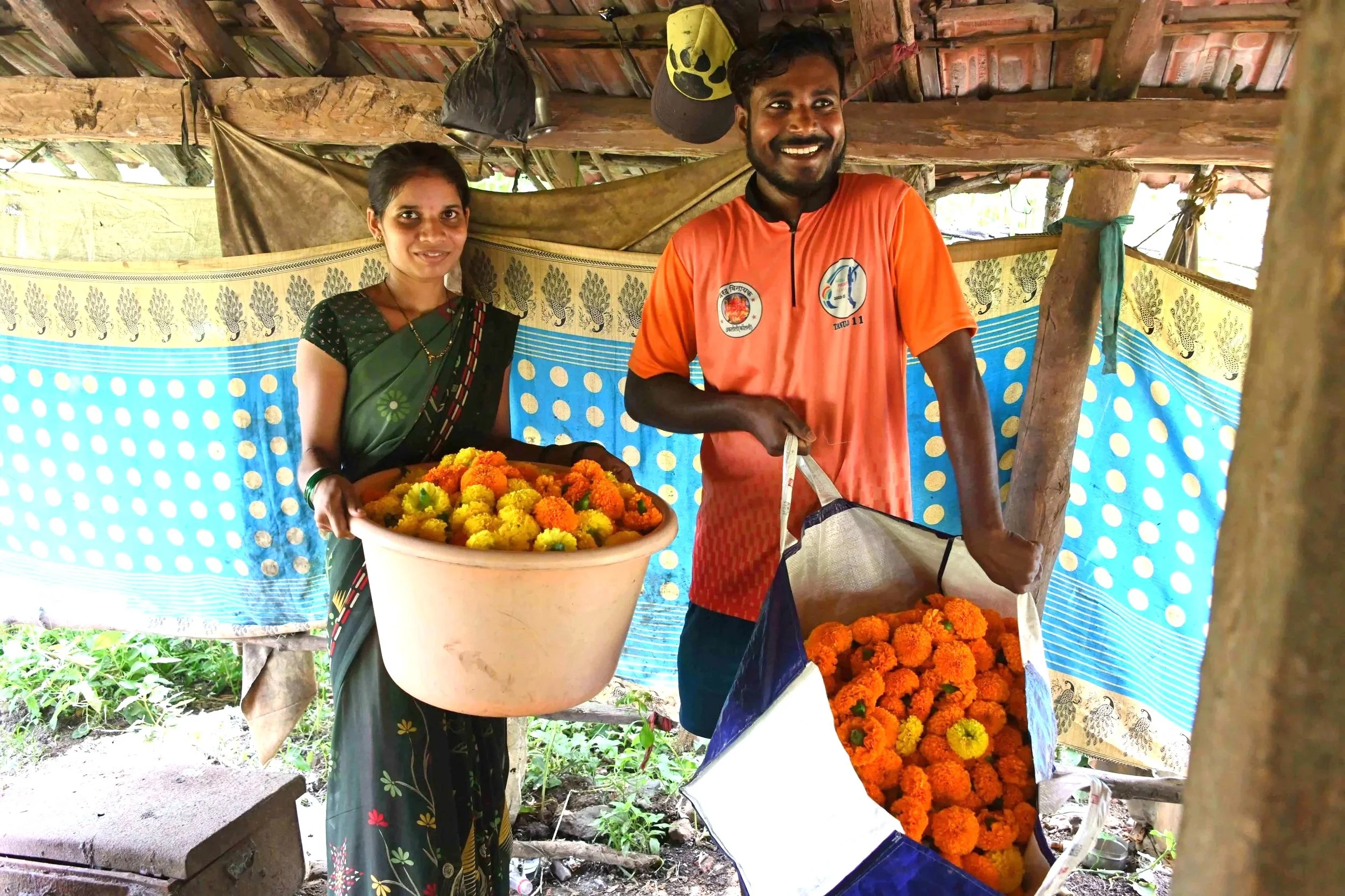
High-demand flowers suited for religious offerings and local festivals
Strong year-round market in Ganeshpuri and surrounding spiritual centers
-
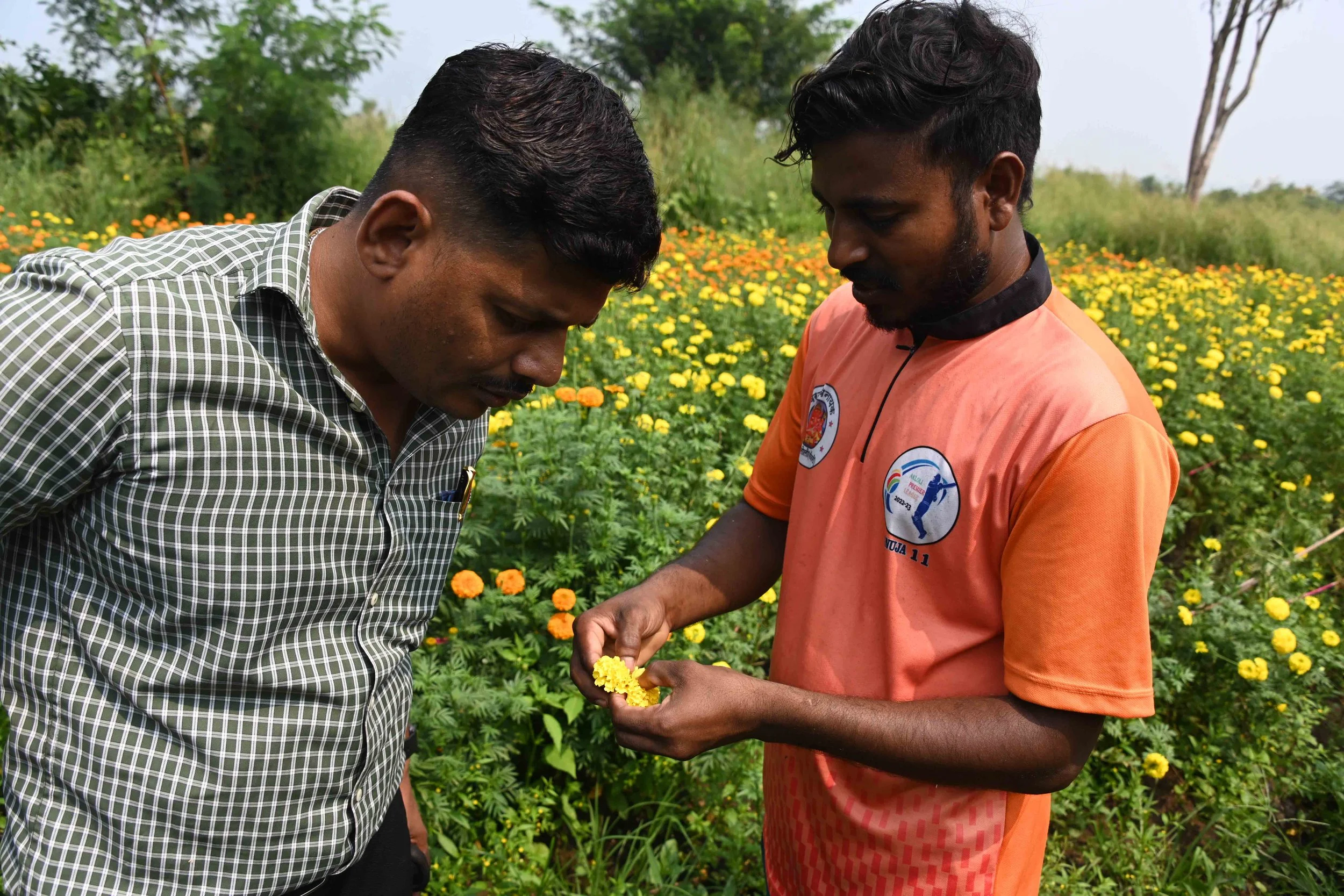
Capacity Building & Training
Organic floriculture techniques
Exposure visits to successful farms and flower markets
Workshops on soil management, pest control, and market-readiness
The Floriculture Program has helped farmers:
Start earning income within the first year or two of planting
Bridge the income gap during orchard maturation
Improve soil fertility and crop diversity
Transition to sustainable, organic agriculture
Reduce seasonal migration and boost local economies