
HIV Program
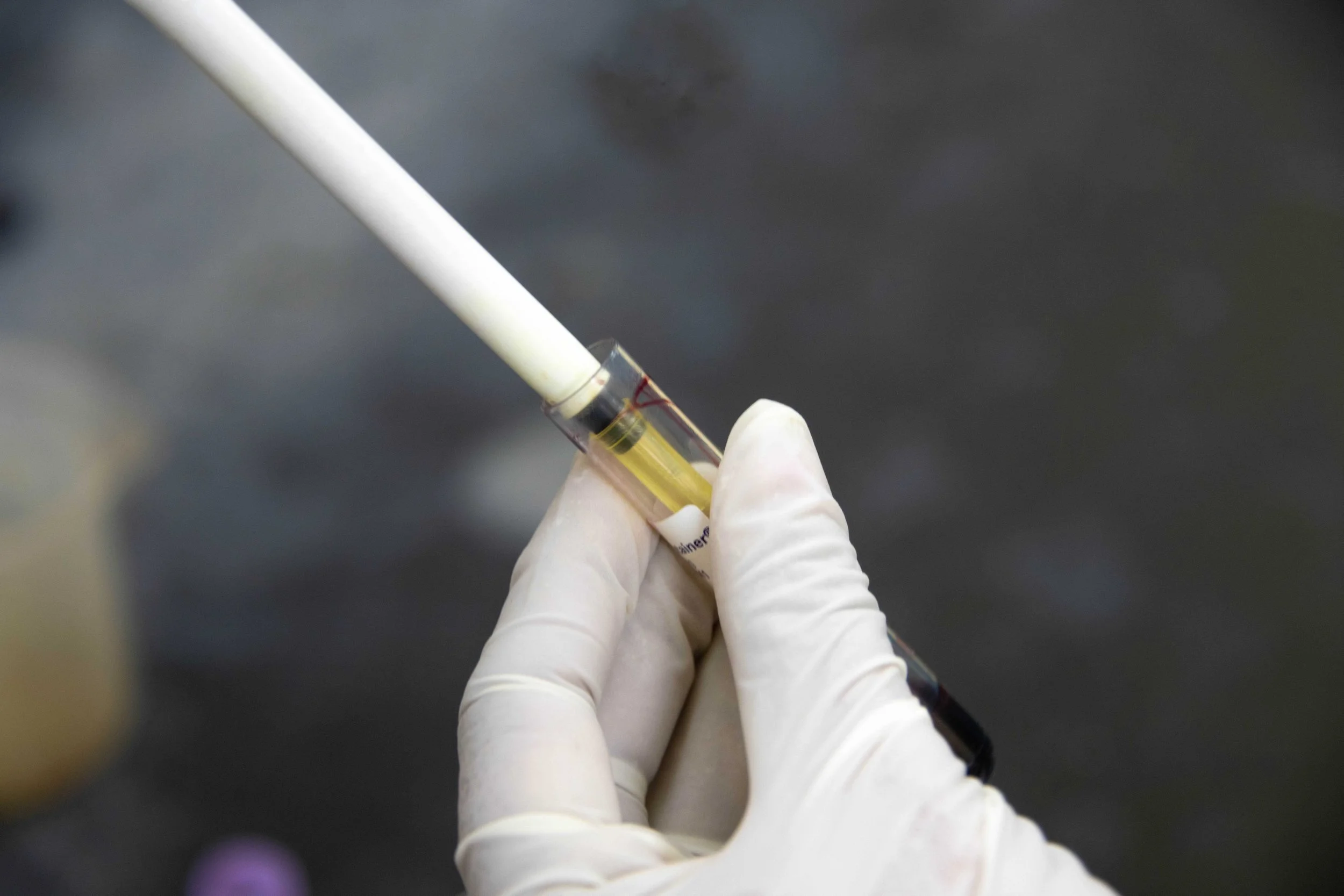
PRASAD Chikitsa’s Comprehensive HIV/AIDS Program was launched in 2004 with the aim of disease prevention, eradication, and support for people living with HIV/AIDS. The program offers both preventive and curative services, working in close partnership with the Indian government, and has been recognized as an Integrated Counselling and Testing Centre (ICTC) under the Public/Private Partnership model.
Program launched:
2004
Registered HIV-positive individuals
1,000+
People reached through awareness programs
100,000+
Counseling sessions provided annually
3,900+
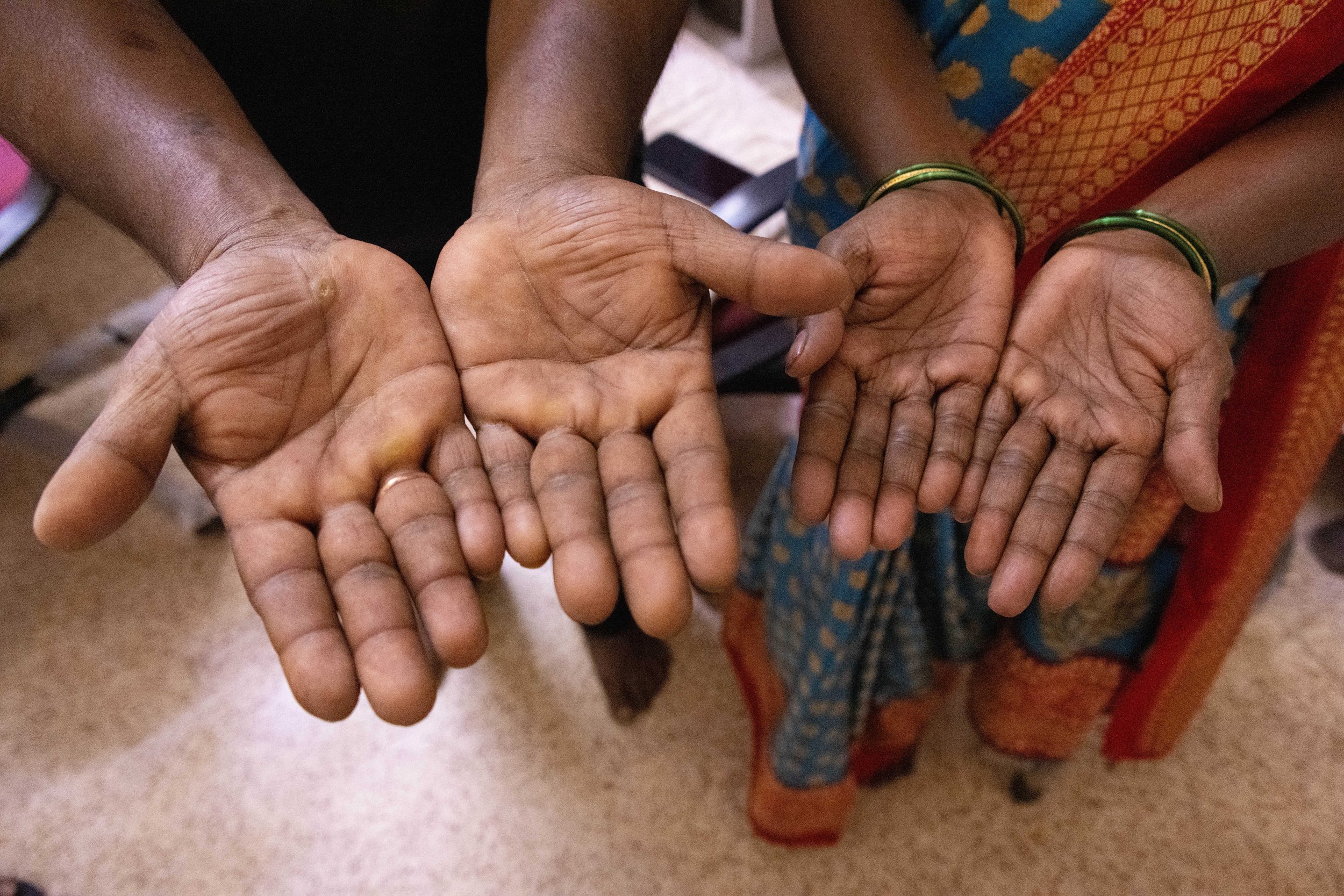
The Tansa Valley is particularly vulnerable to HIV/AIDS due to several risk factors:
A large migratory workforce drawn to local industry
Two major truck routes that pass through the region, increasing exposure and transmission risk
Limited early awareness and restricted access to preventive healthcare in remote communities
How We Are Solving It
-
Awareness Programs
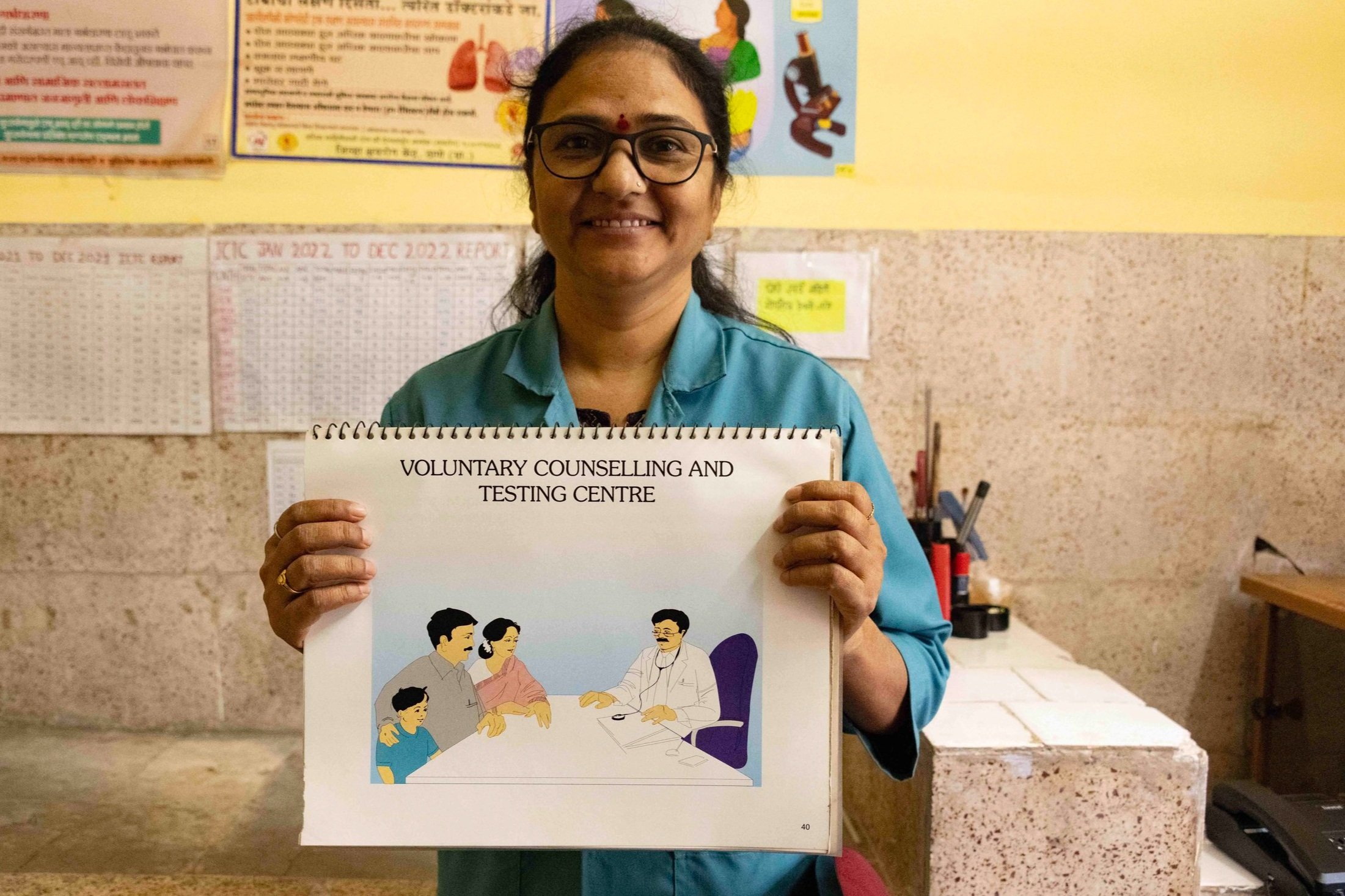
Ongoing community outreach includes interactive sessions in villages, schools, and workplaces. These programs engage women, students, and high-risk groups to foster HIV/AIDS awareness and reduce stigma.
-

HIV Testing and Counseling
Free HIV testing and counseling are available to both children and adults through PRASAD’s Family Health Center. Services are provided confidentially and professionally by trained and compassionate healthcare staff.
-
Prevention of Parent-to-Child Transmission (PPTCT)
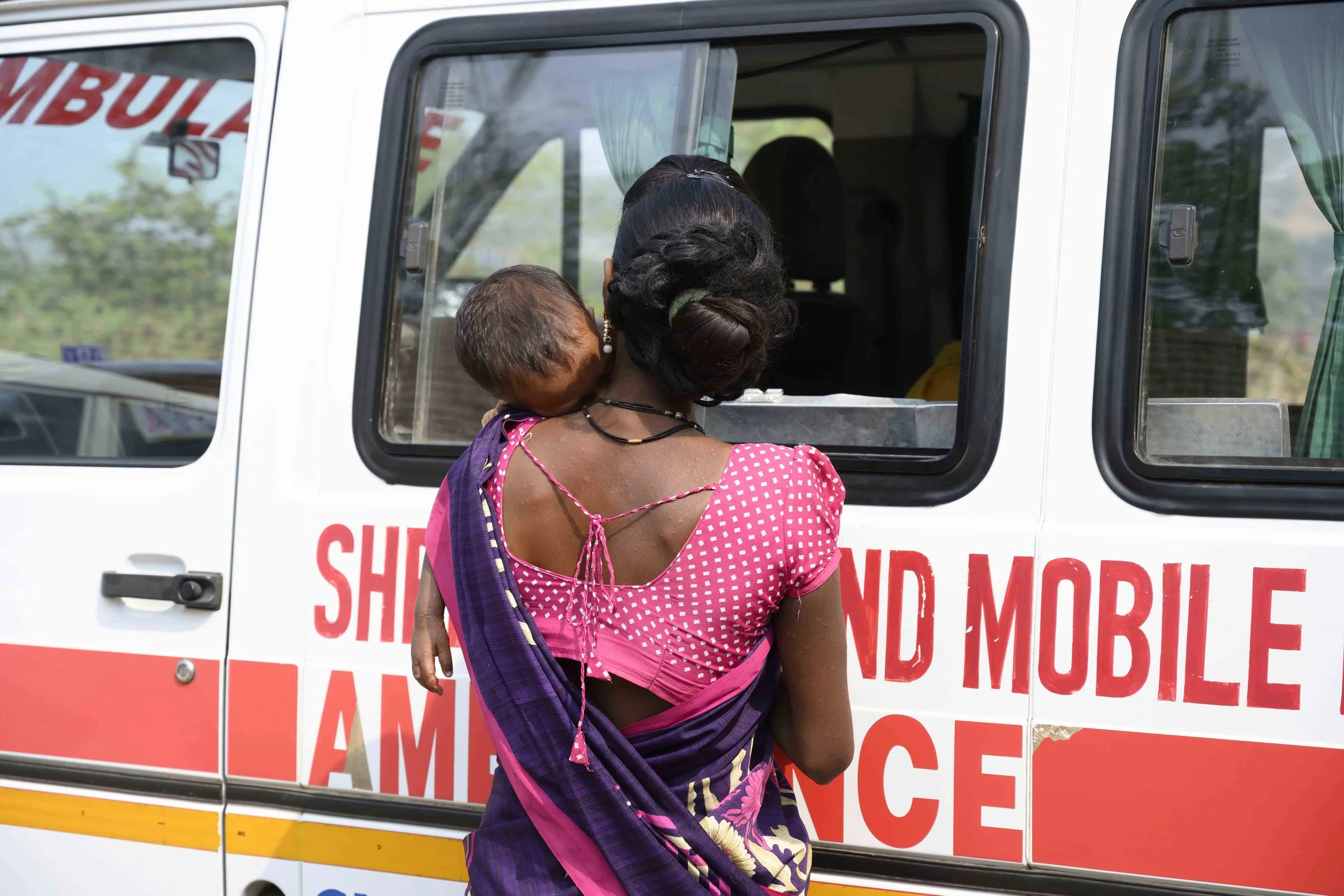
This program provides free prenatal HIV screenings with informed consent, and antiretroviral therapy (ART) medication to HIV-positive pregnant women. These services support better health outcomes, includingt transmission from mother to child.
-
Treatment and Support Services
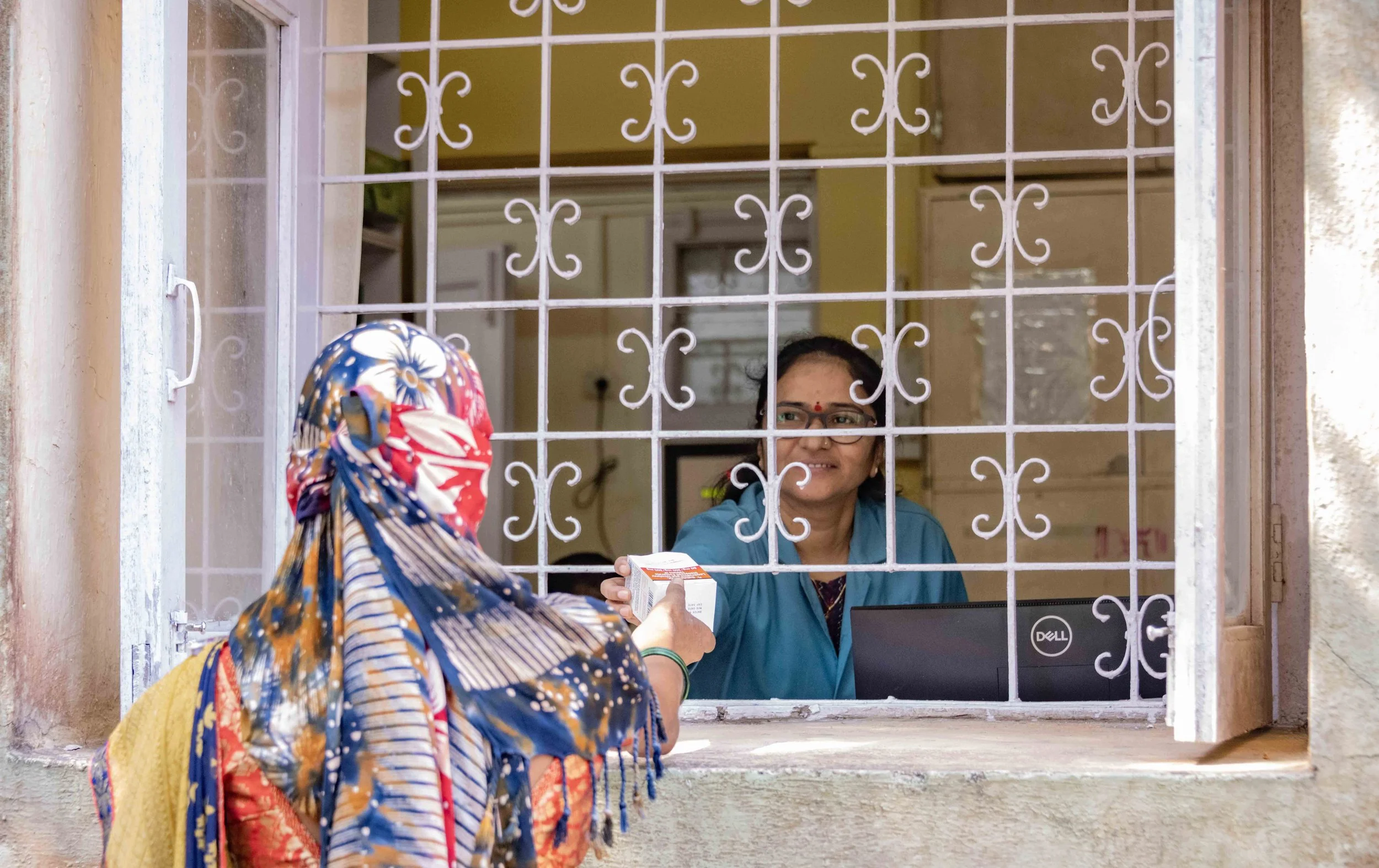
PRASAD Chikitsa’s Link ART Center (LAC) ensures HIV-positive individuals have ongoing access to ART medication and follow-up care. Additional services include:
- Nutritional supplements
- Treatment for secondary infections
- Psychological, social, and spiritual counseling
Impact
PRASAD Chikitsa’s multifaceted approach—combining awareness, early diagnosis, treatment access, and prevention—has led to a significant reduction in HIV infection rates in the Tansa Valley, dropping from 0.7% to 0.17%. This success reflects the program’s long-term commitment to both medical and community-based solutions, reducing new infections, improving care, and empowering affected individuals through education and support.