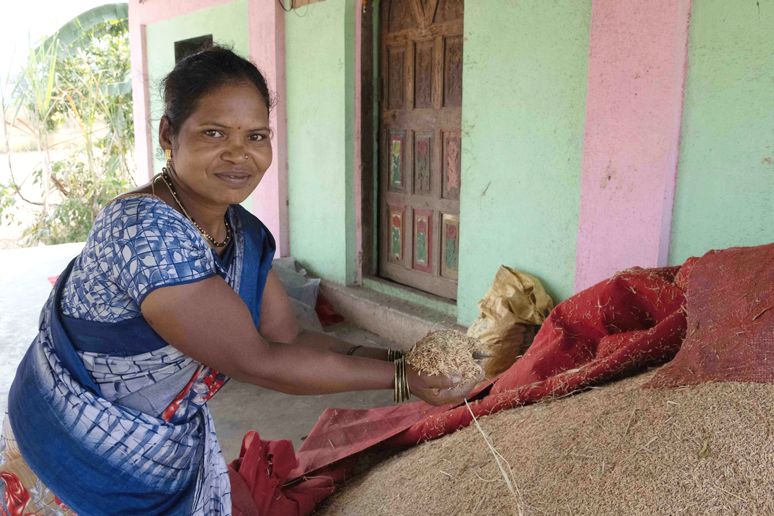
Indigenous Rice Seed Bank
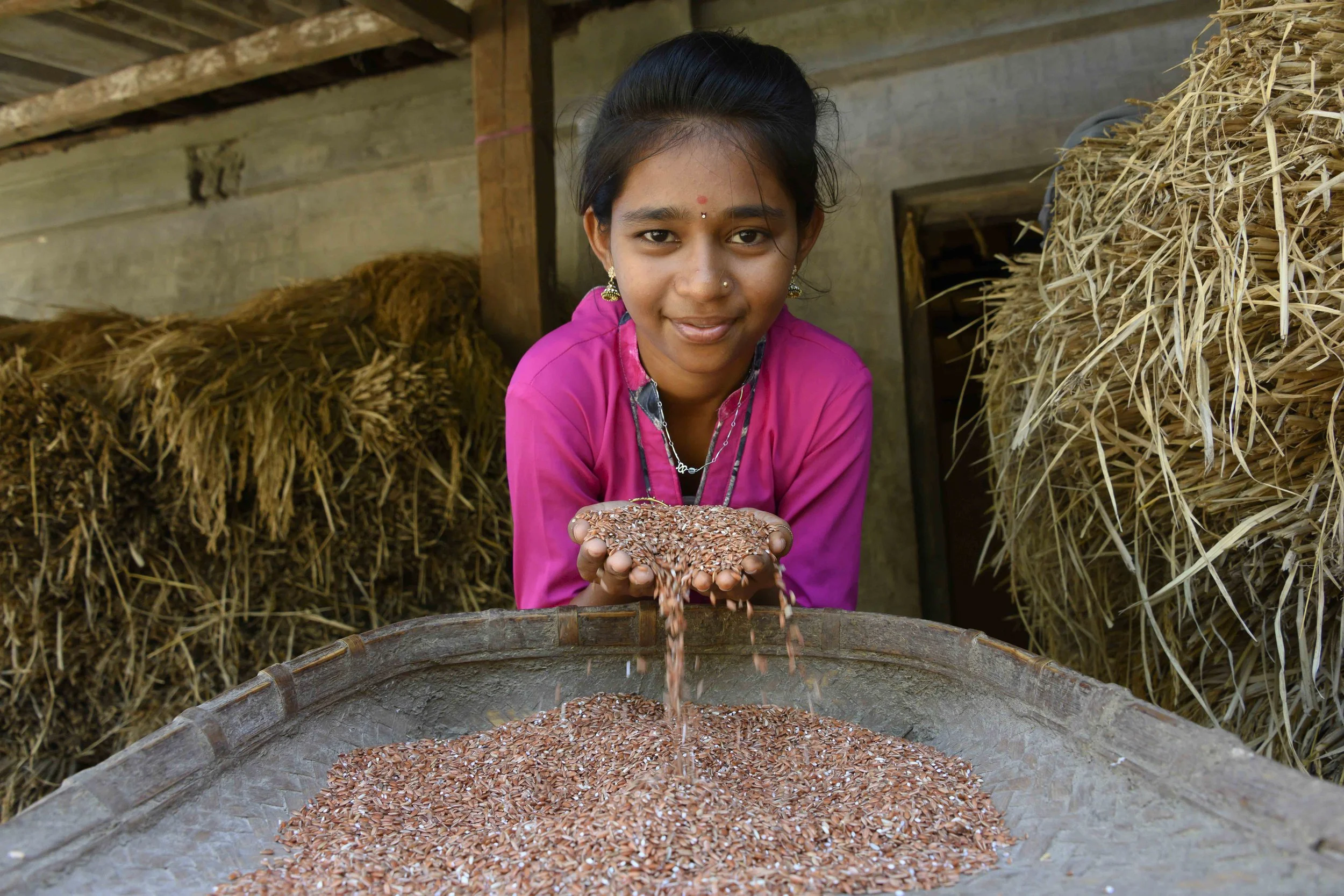
PRASAD Chikitsa’s Indigenous Rice Cultivation Program promotes sustainable farming models that protect biodiversity and empower farmers. By encouraging the use of native rice varieties cultivated with organic methods, the initiative helps preserve traditional agricultural knowledge and revive resilient, local seed systems. Designed to support ecological farming practices, the program enables farmers to access indigenous seeds at nominal cost and create self-sustaining seed banks for future planting seasons.
Program launched:
2015
No. of Seed Banks
409
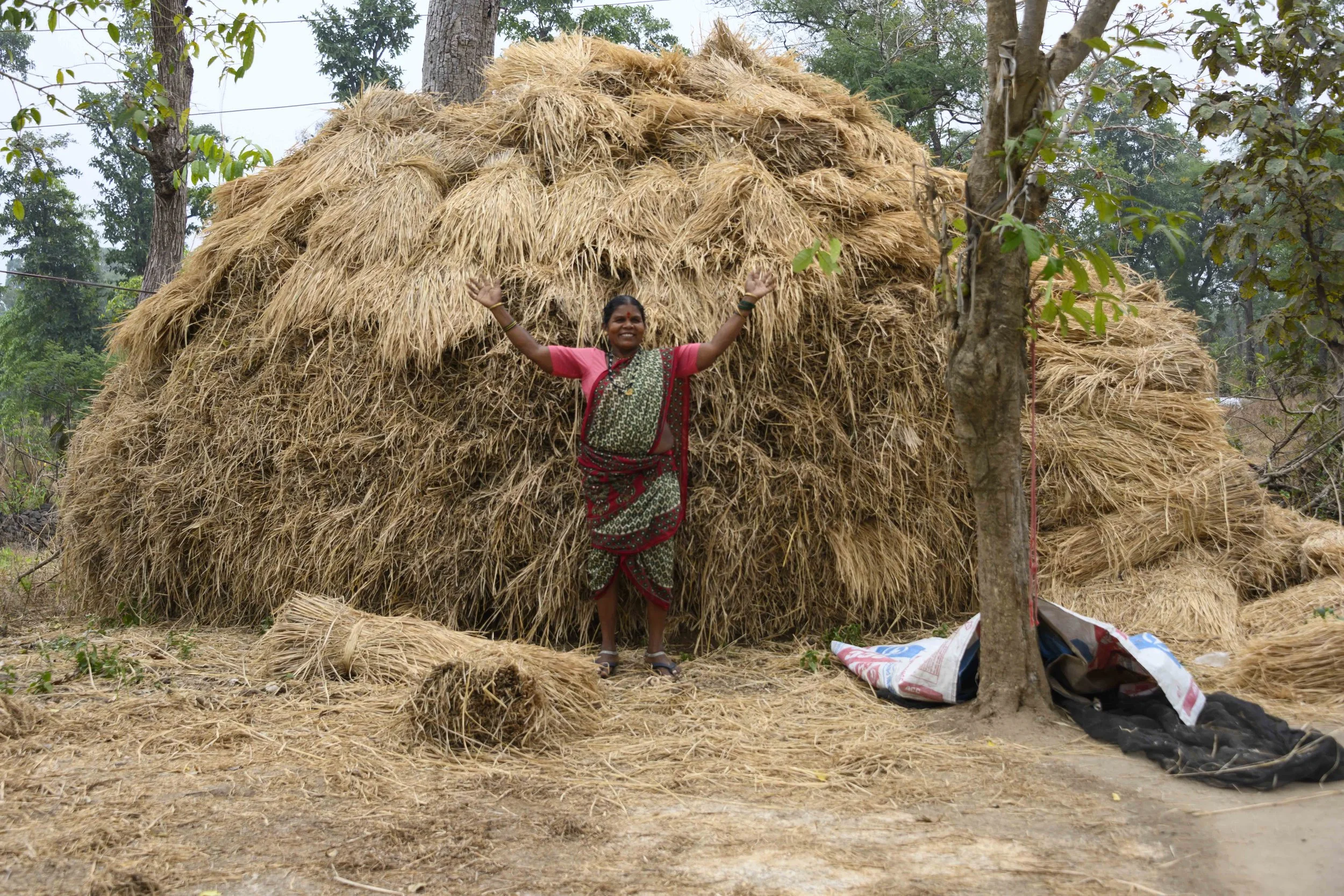
In recent decades, the widespread adoption of hybrid rice varieties and chemical farming methods has led to the loss of indigenous seed varieties, degraded soil health, and increased dependency on commercial inputs. Farmers face rising input costs, declining biodiversity, and unsustainable practices. Indigenous rice varieties—once widely grown for their resilience and nutritional value—are disappearing. There is an urgent need to revive organic, local farming practices to ensure food sovereignty, ecological balance, and long-term community resilience.
How We Are Solving It
-
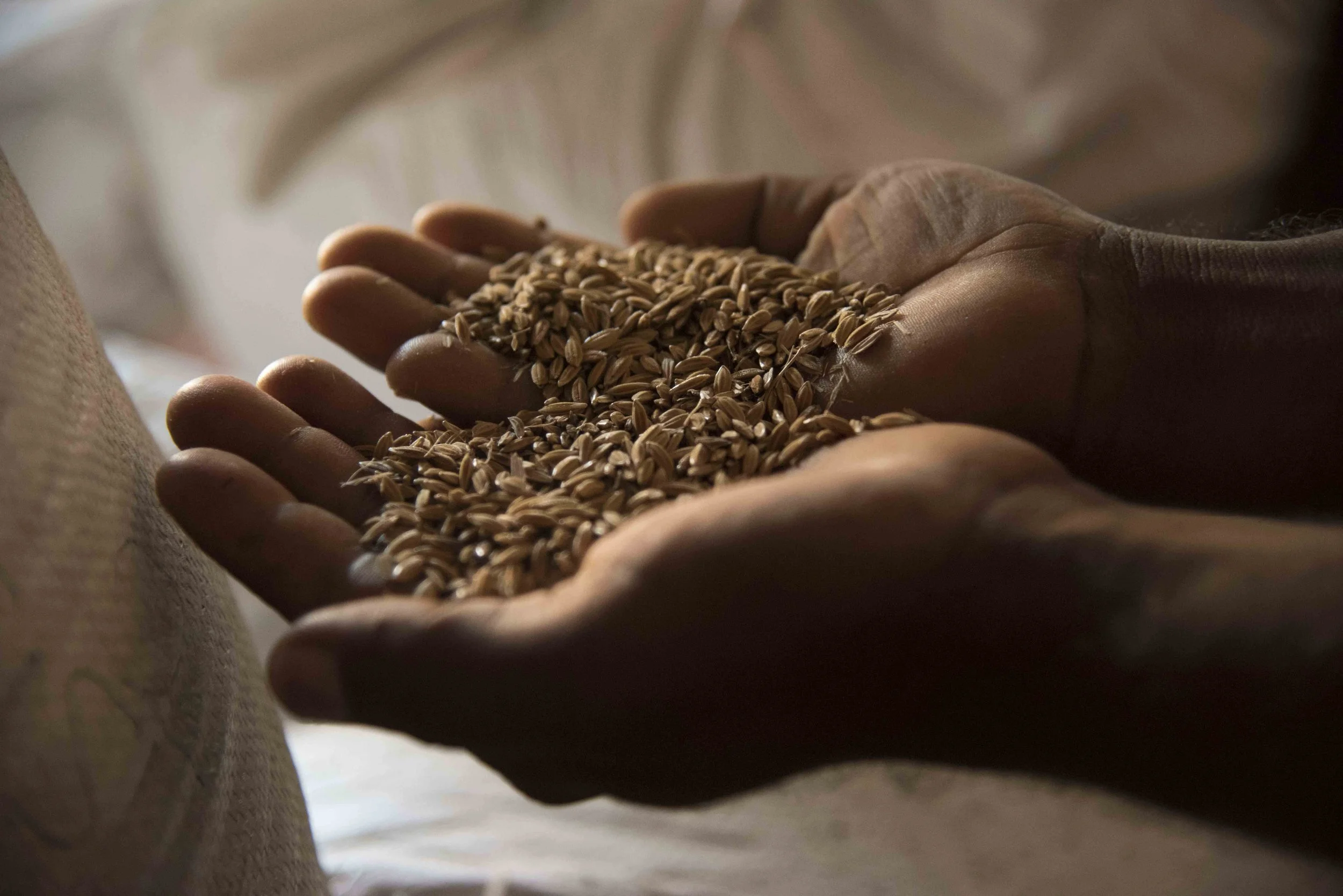
Seed Access and Buyback
Indigenous rice seeds provided at nominal cost
Post-harvest buyback system to redistribute seeds and expand the regional seed bank
-
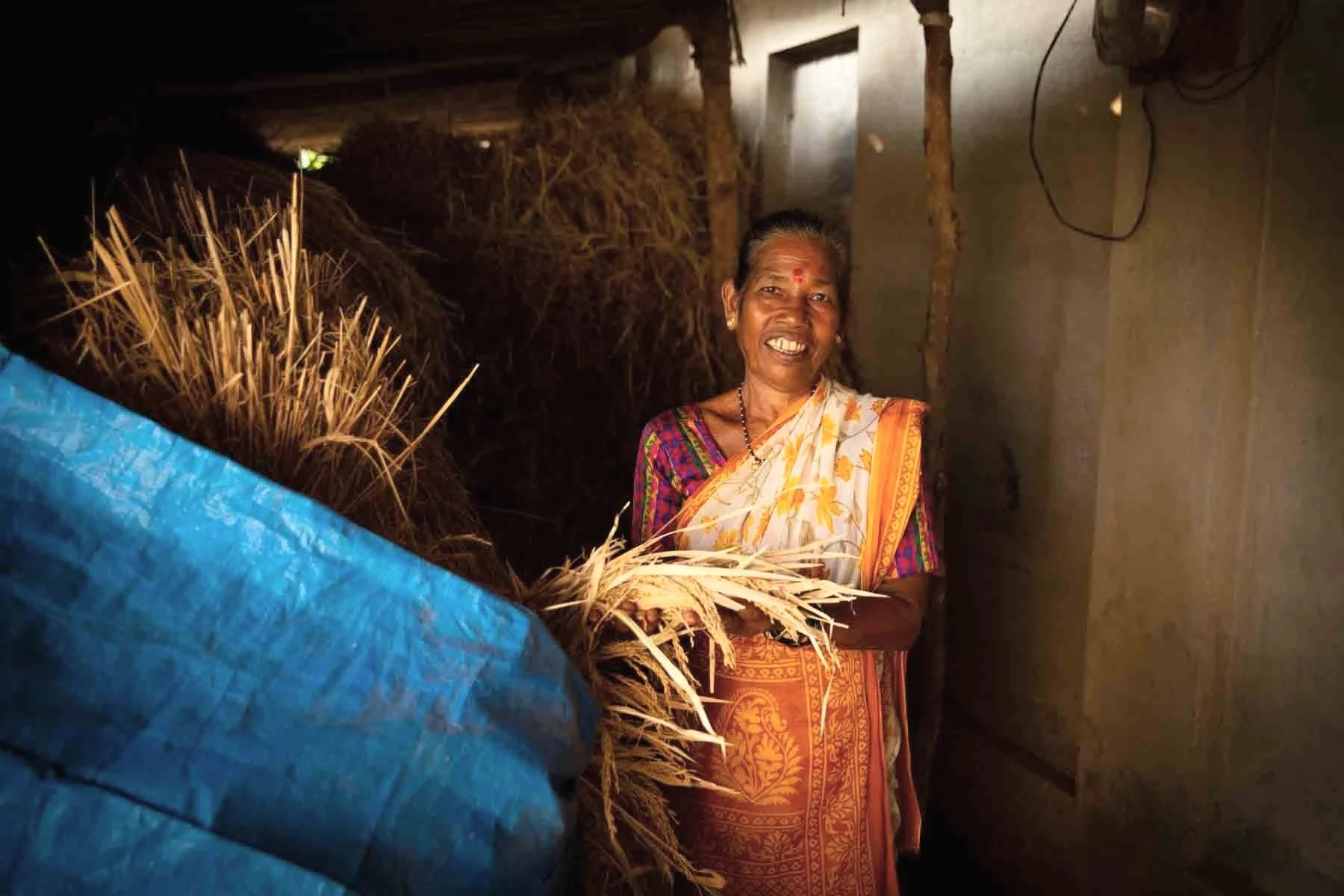
Farmer Training & Organic Practices
Training in organic farming techniques, water conservation, and natural pest control
Promotion of seed-saving methods to maintain genetic purity and resilience
Elimination of chemical fertilizers and pesticides from the farming cycle
-
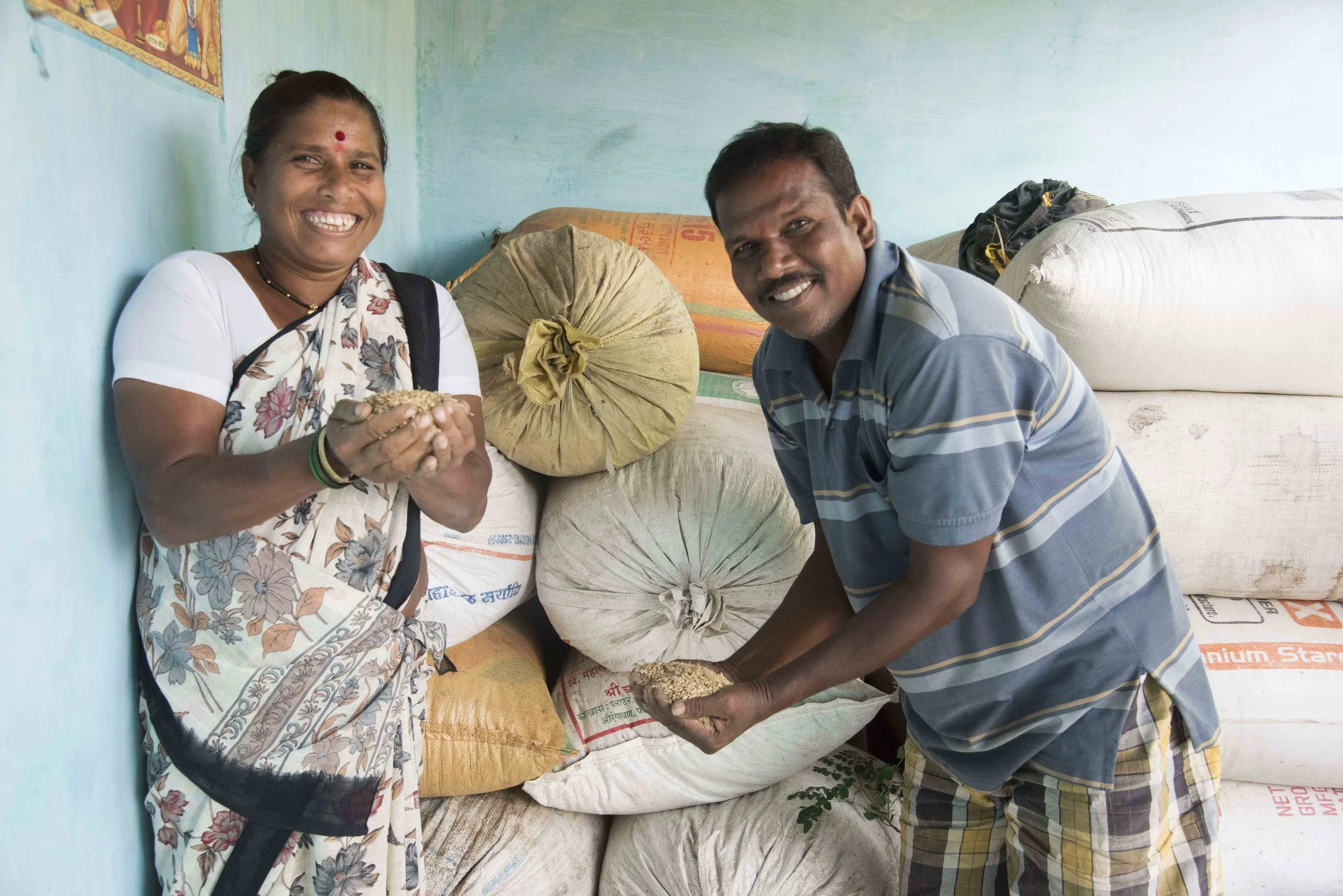
Strengthening Farmer Networks
301 farmers currently enrolled in the seed bank initiative
Support for forming cooperatives to enable shared learning, collective action, and better market access
-
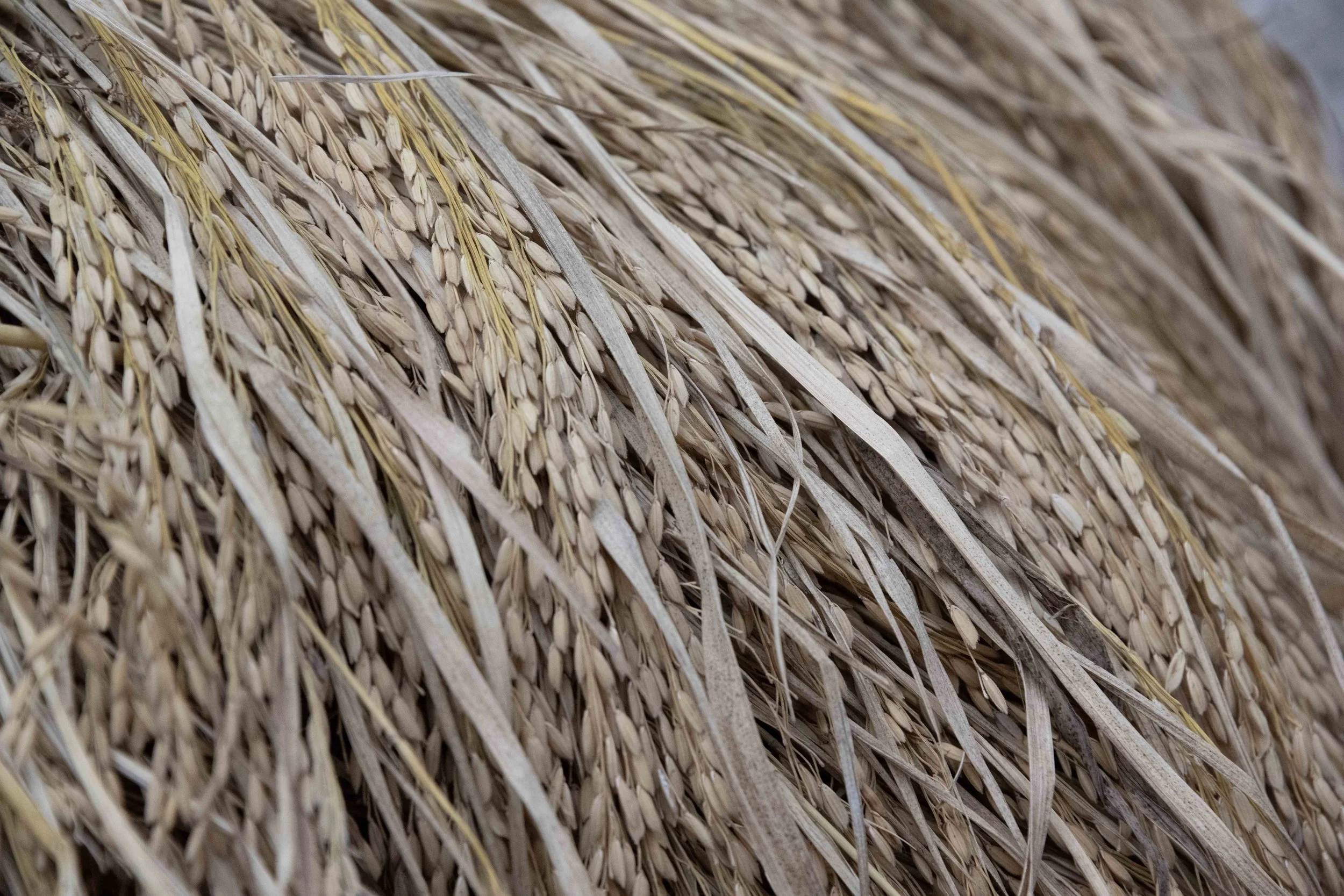
Seed Bank Development
Farmers establish individual or cooperative seed banks for the next growing season
Encourages crop independence and sustainable local agriculture
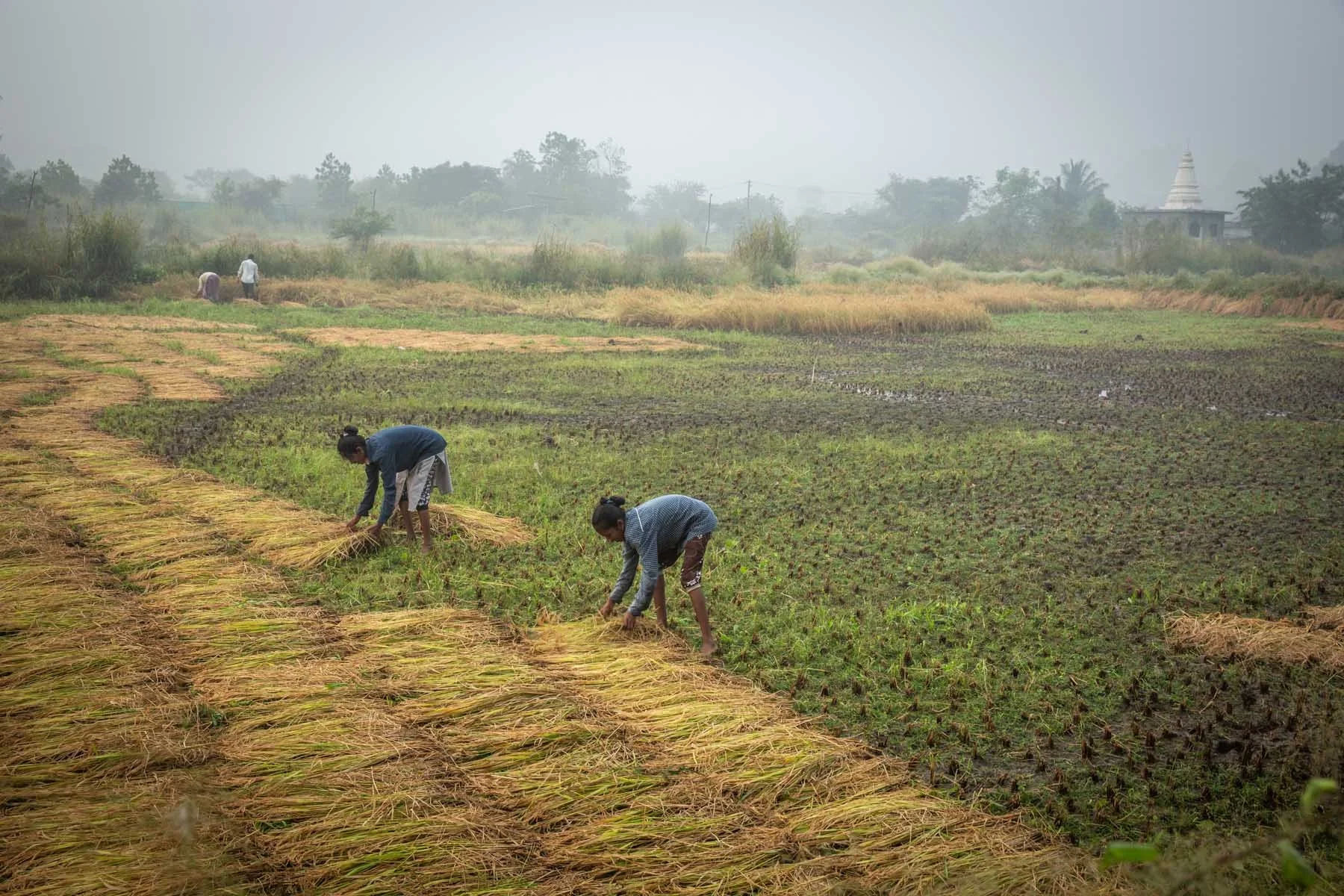
Preserved and revived indigenous rice varieties unique to the region
The program has:
Reduced dependence on external seeds and agrochemicals
Strengthened farmer confidence in organic cultivation methods
Promoted local food systems and self-reliance through cooperative models