Kitchen Garden
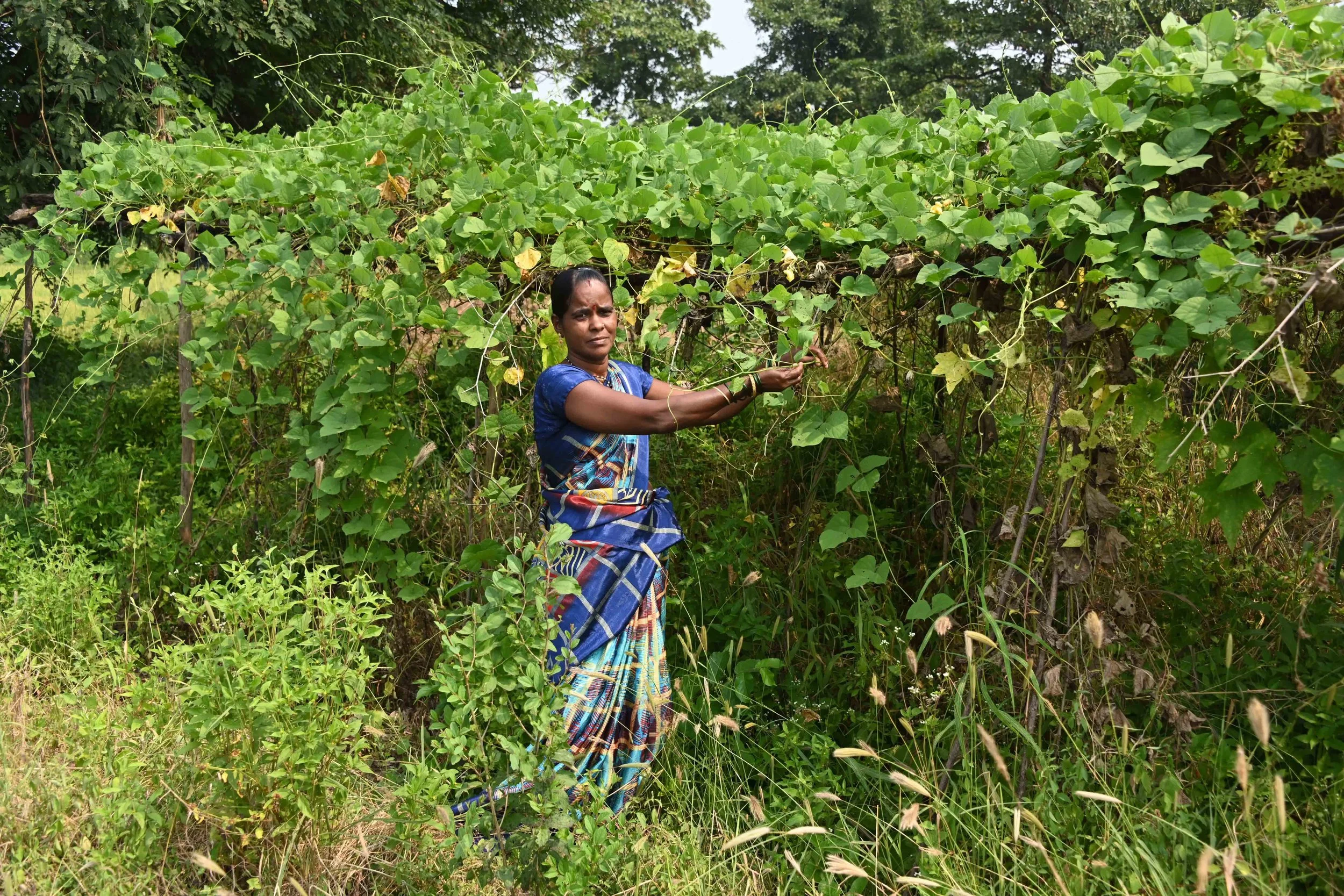
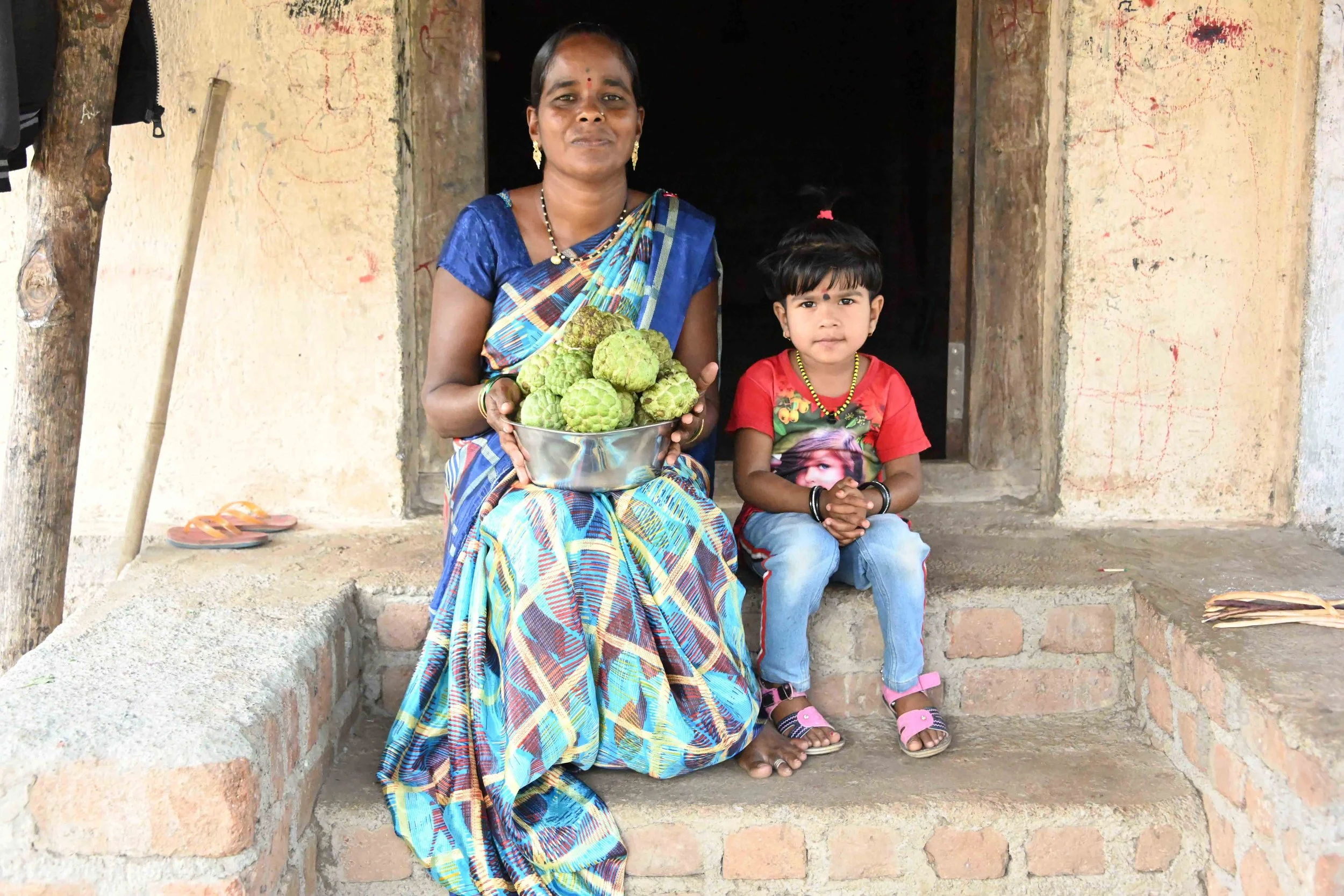
This initiative, aligned with PRASAD Chikitsa’s broader Nutrition Program, focuses on improving household food security and child nutrition in the Tansa Valley. It targets families with moderately to severely malnourished children, equipping them to grow seasonal vegetables at home. By promoting small-scale kitchen gardening and empowering women with agricultural knowledge, the initiative enhances both dietary diversity and community resilience.
Program launched:
2005
Farmers enrolled
2,088
Kitchen Gardens set up
11,722
Malnutrition among children in rural tribal households remains a pressing concern, often due to limited access to fresh, nutrient-rich foods. Families frequently rely on market-bought staples with low nutritional value, and few have the knowledge, resources, or land use practices needed to grow diverse vegetables at home. Women, despite being central to household food preparation, often lack the training and support to lead nutritional change.
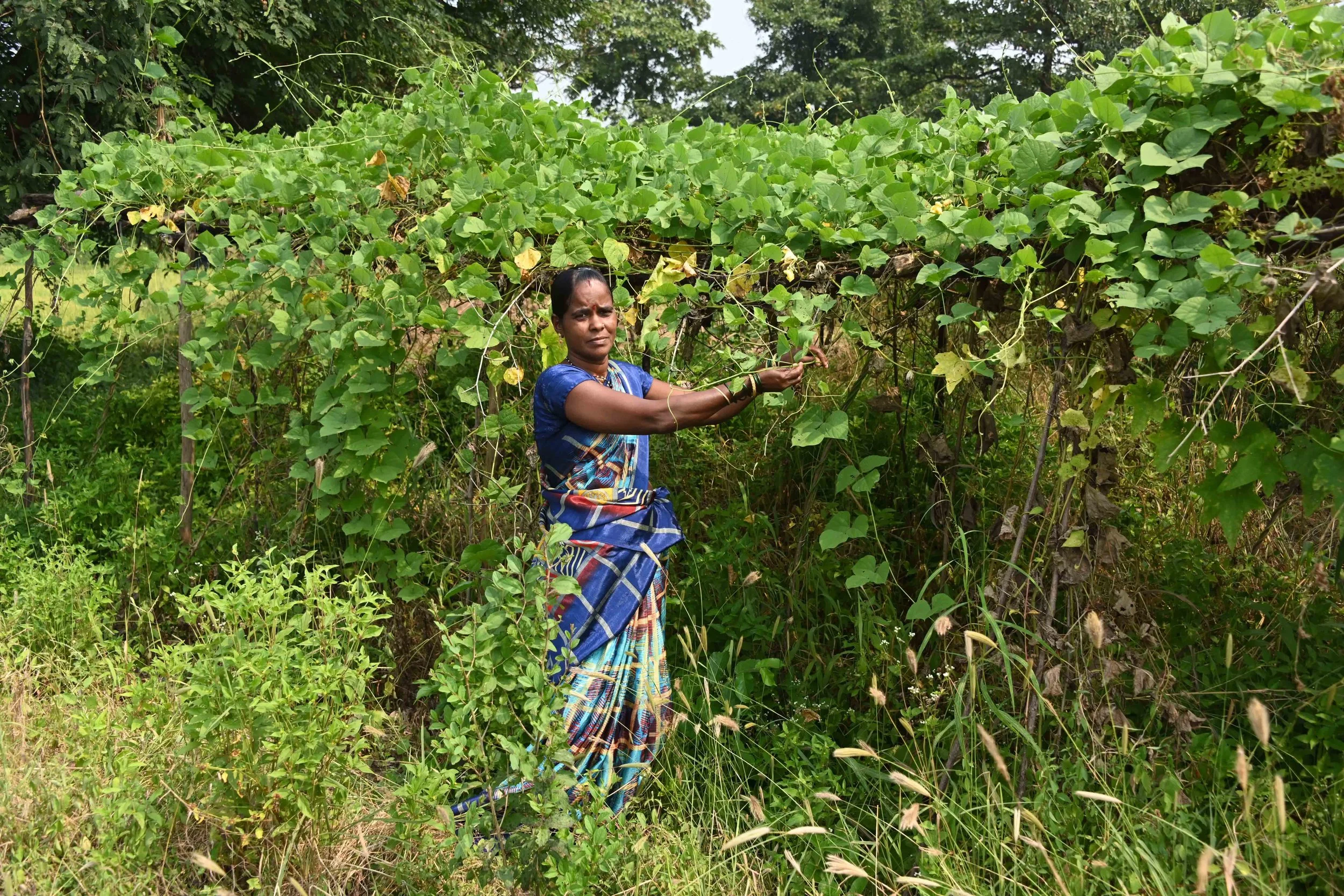
How We Are Solving It
-
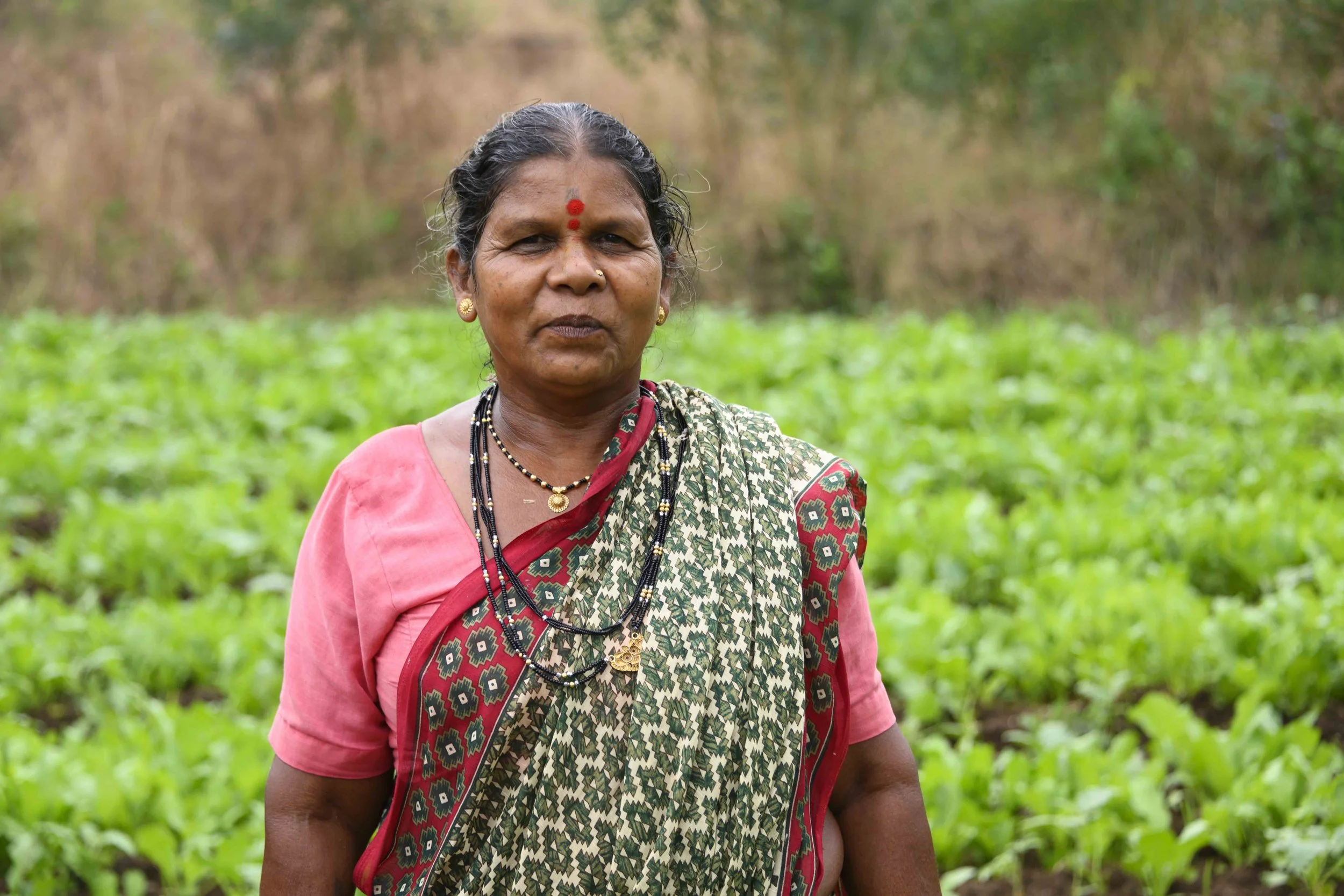
Training & Empowerment of Women
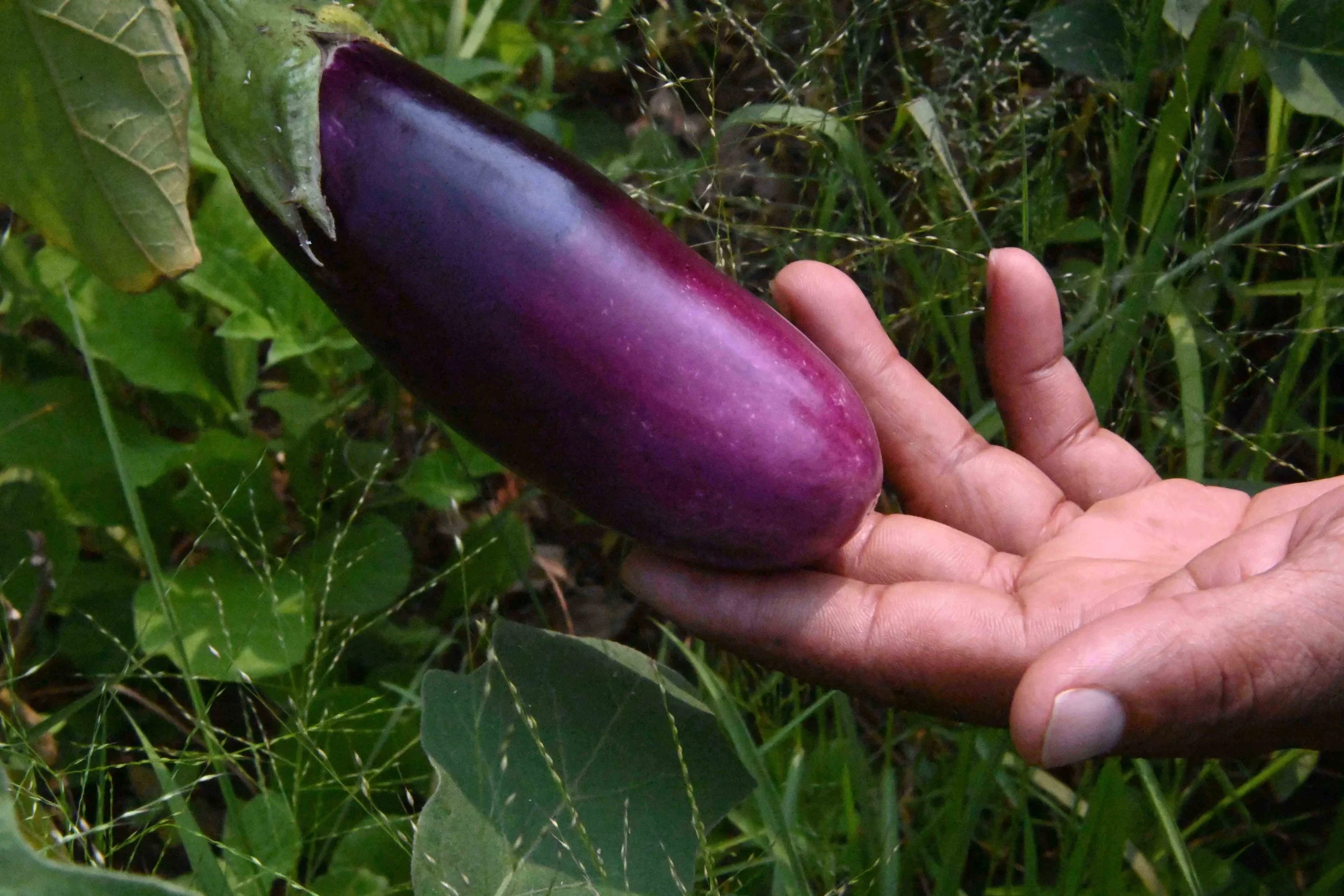
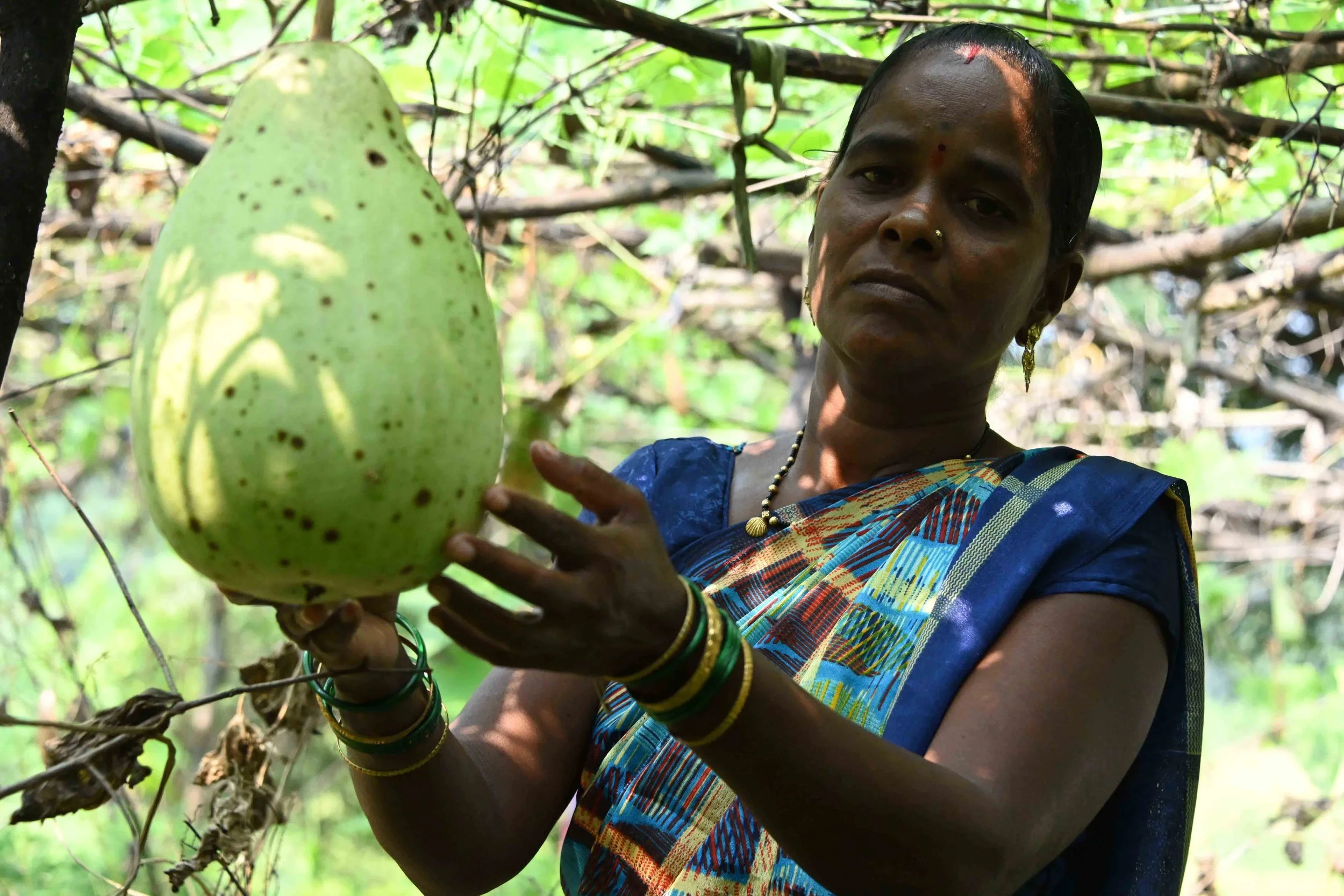
Nutrition-focused workshops on growing and using seasonal vegetables
Education on the nutritional benefits of each crop and how to prepare them
Building women’s leadership in food production and child health
-
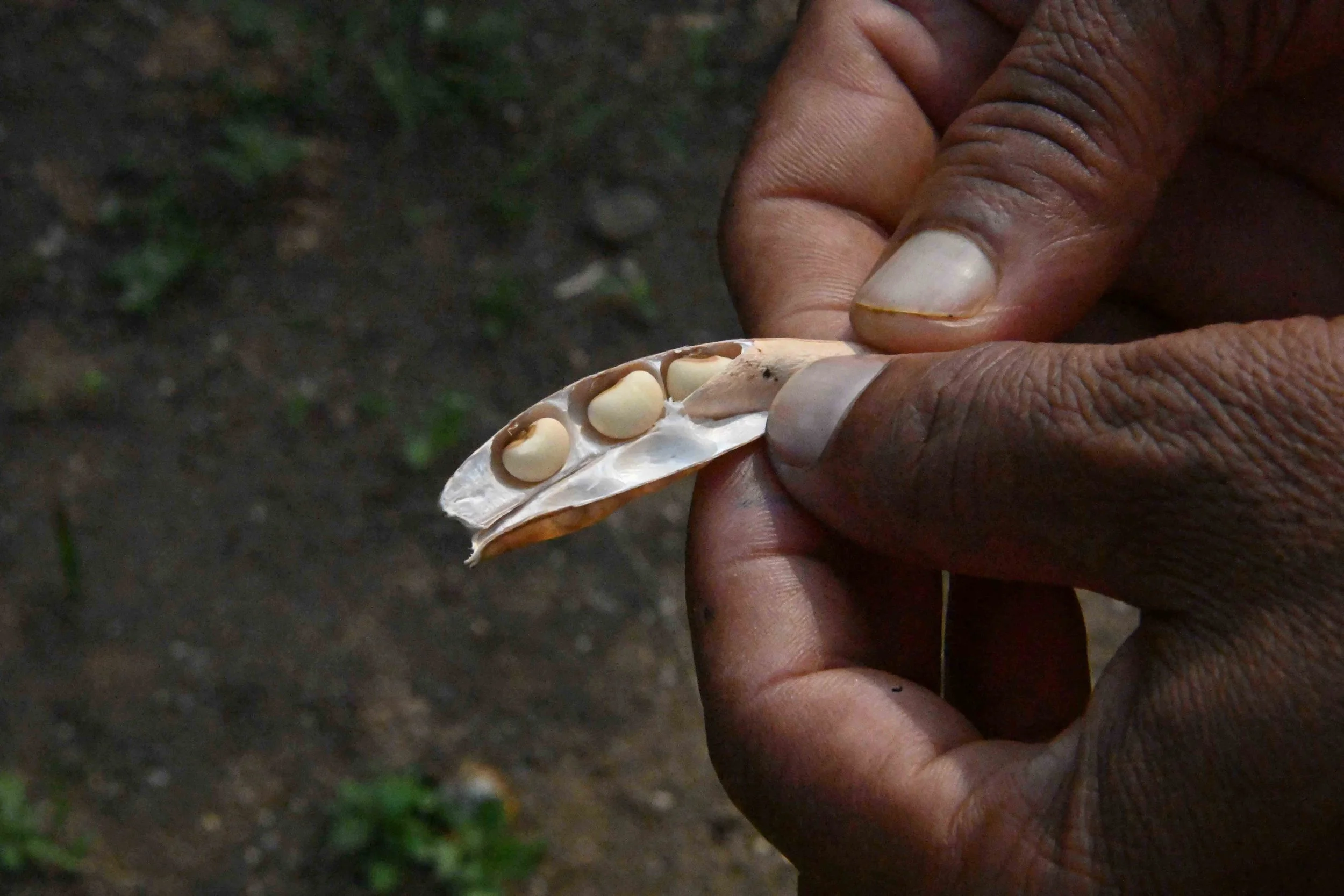
Resource Support
Distribution of seasonal vegetable seedlings and saplings
Home-based support through regular on-field visits and technical guidance
-
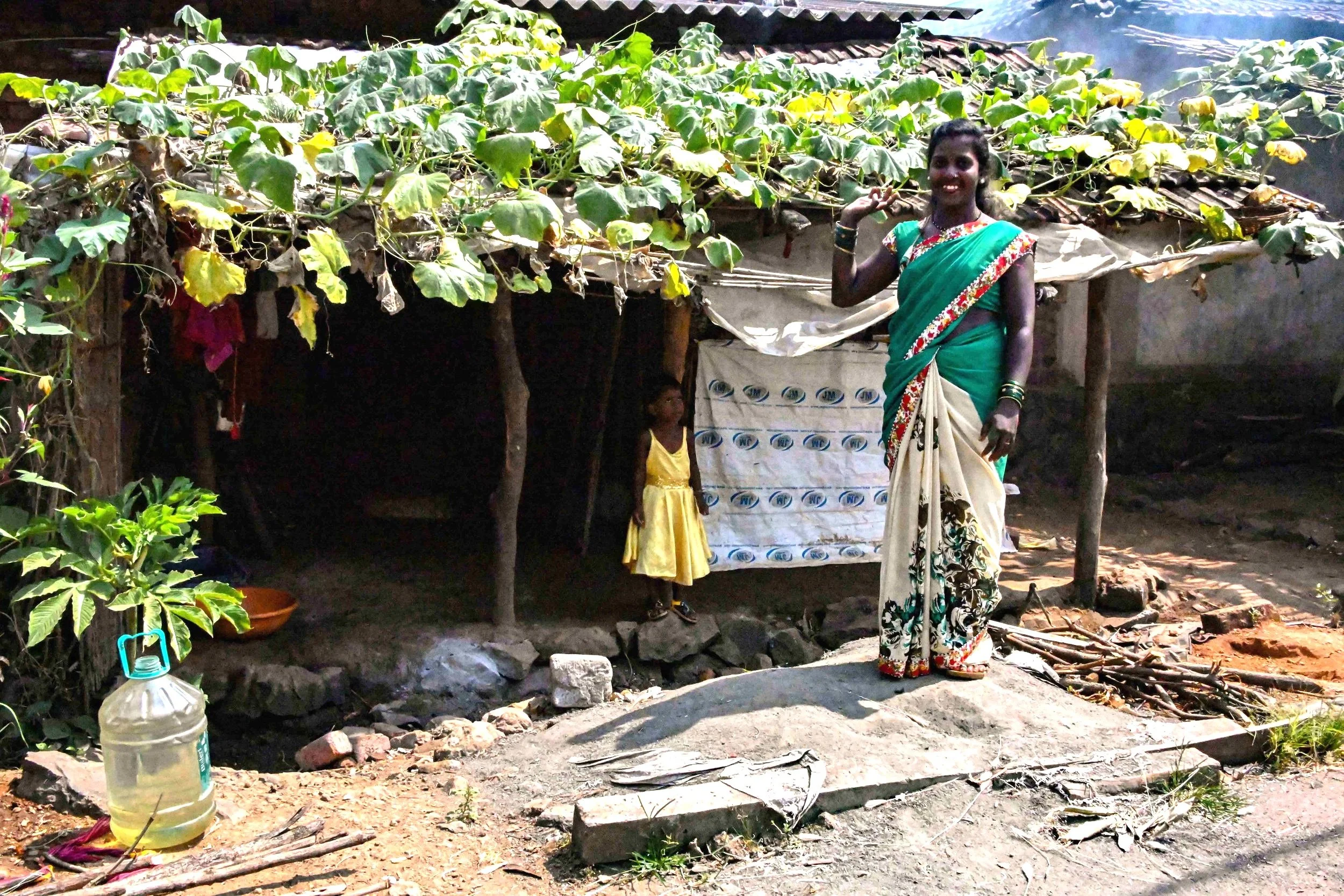
Sustainable Home Gardening
Use of organic and low-cost farming practices
Encouragement of water-efficient and space-saving techniques
Seasonal planting cycles aligned with local growing conditions
-
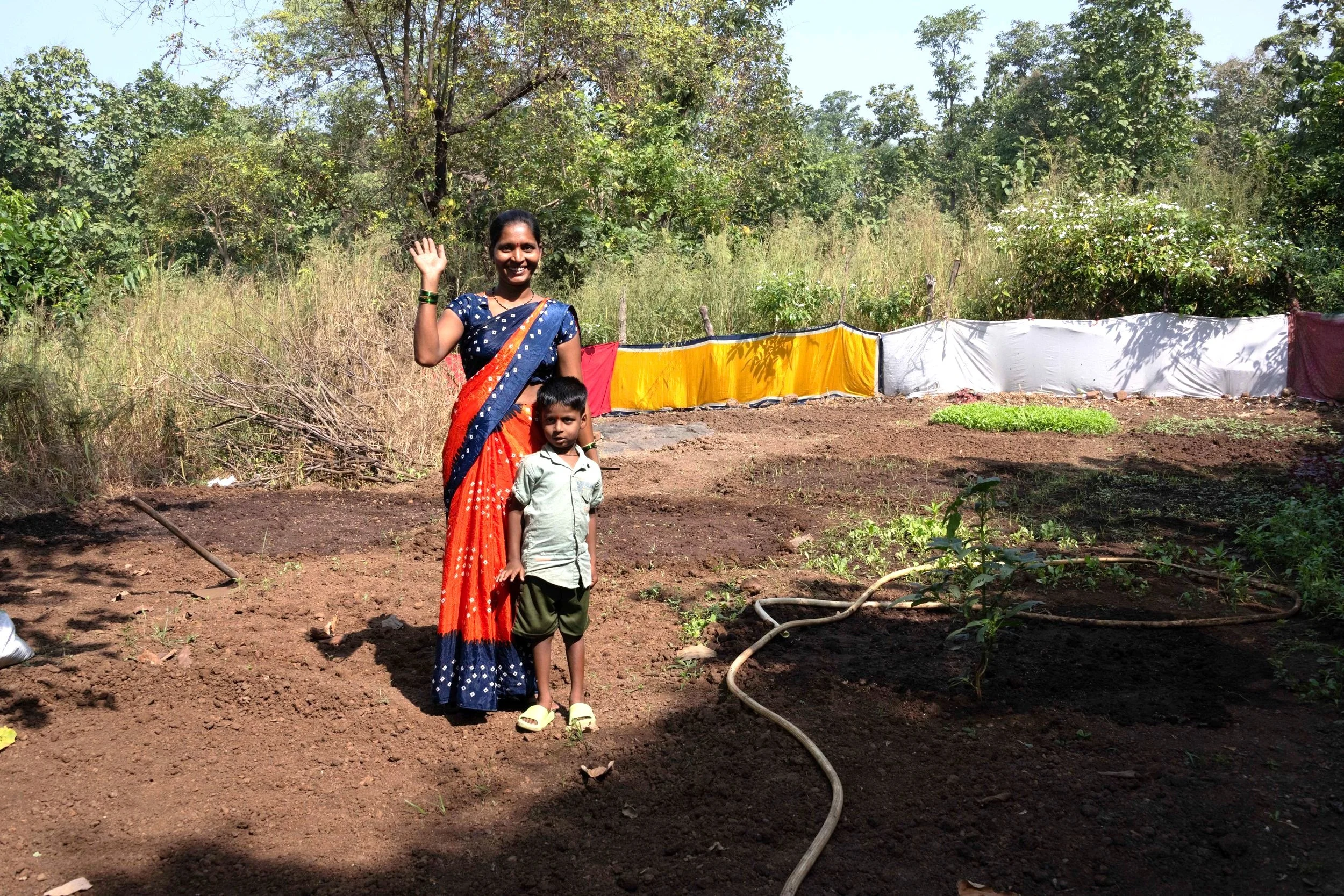
Integrated with Nutrition Program
Monitoring children's health and growth as part of a comprehensive nutrition strategy
Positioning kitchen gardens as a core intervention for reducing malnutrition
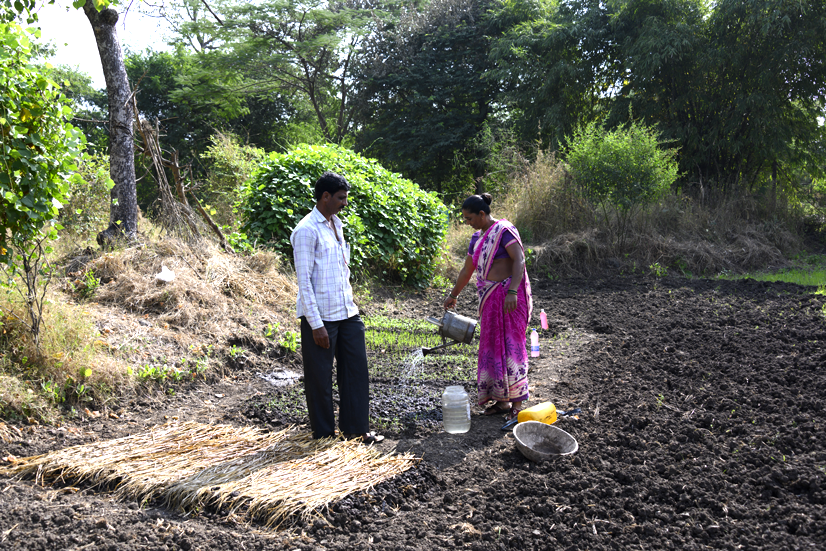
Impact of the Kitchen Garden Program:
Measurable improvements in the nutritional status of children in target households
Greater food independence and cost savings for families
Empowerment of women as community change agents in health and nutrition
Increased availability of fresh vegetables in daily meals