
Orchard (WADI) Project &
Second Crop Initiative
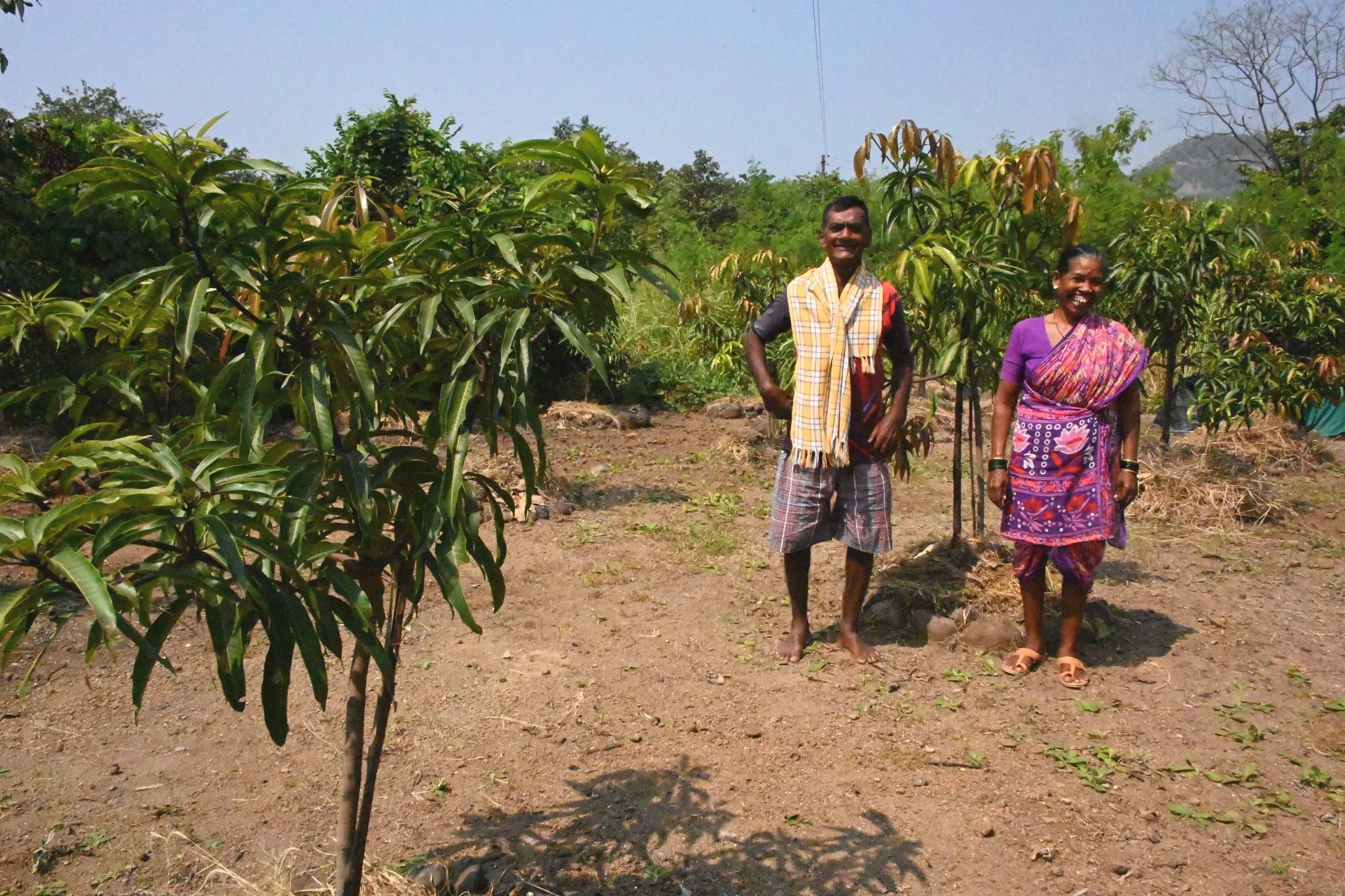
Launched in 2007, the Orchard (WADI) Program is a long-term livelihood initiative by PRASAD Chikitsa aimed at empowering small and marginal farmers in the Tansa Valley. The program promotes the cultivation of fruit orchards alongside short-cycle second crops to create diversified, seasonally staggered income sources. By introducing crops that thrive in hilly and valley terrains, it complements traditional rice farming and enhances land utilization year-round.
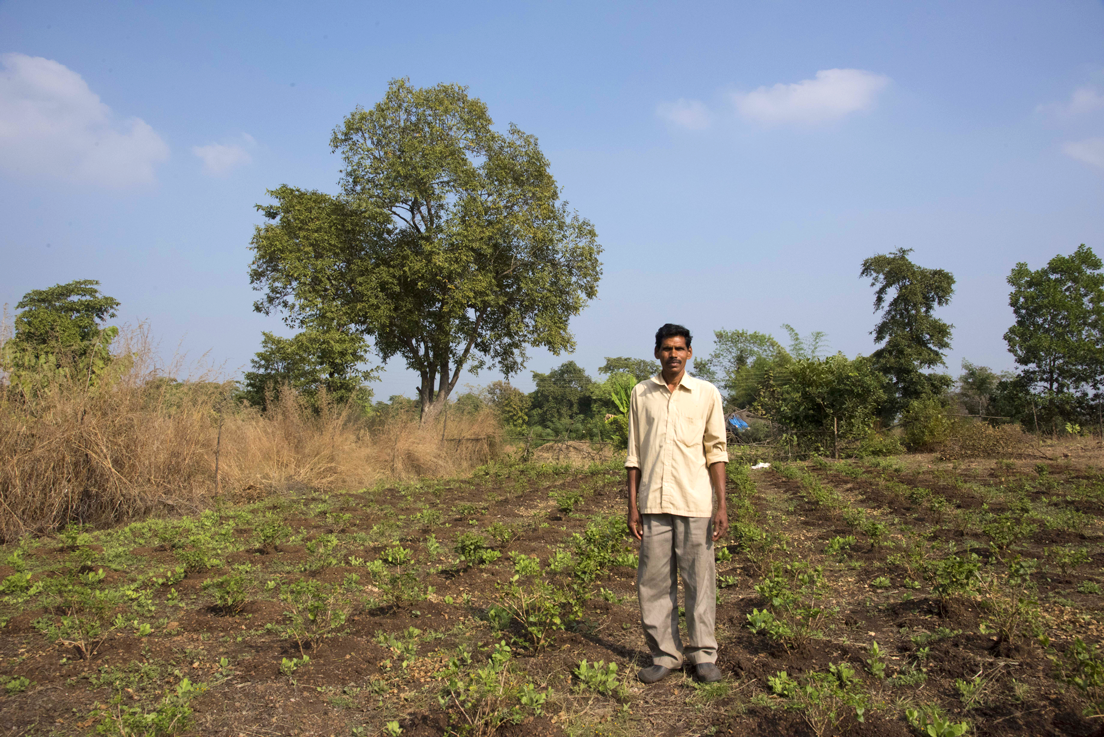
Program launched:
2003
Fruit Trees planted
87,252
In the Tansa Valley, farming families faced economic vulnerability due to mono-cropping, low productivity, and seasonal unemployment. Reliance on a single crop—mainly rice—meant that land lay fallow for much of the year. This led to low household income, food insecurity, and increased seasonal migration in search of work.
How We Are Solving It
-
Orchard Cultivation
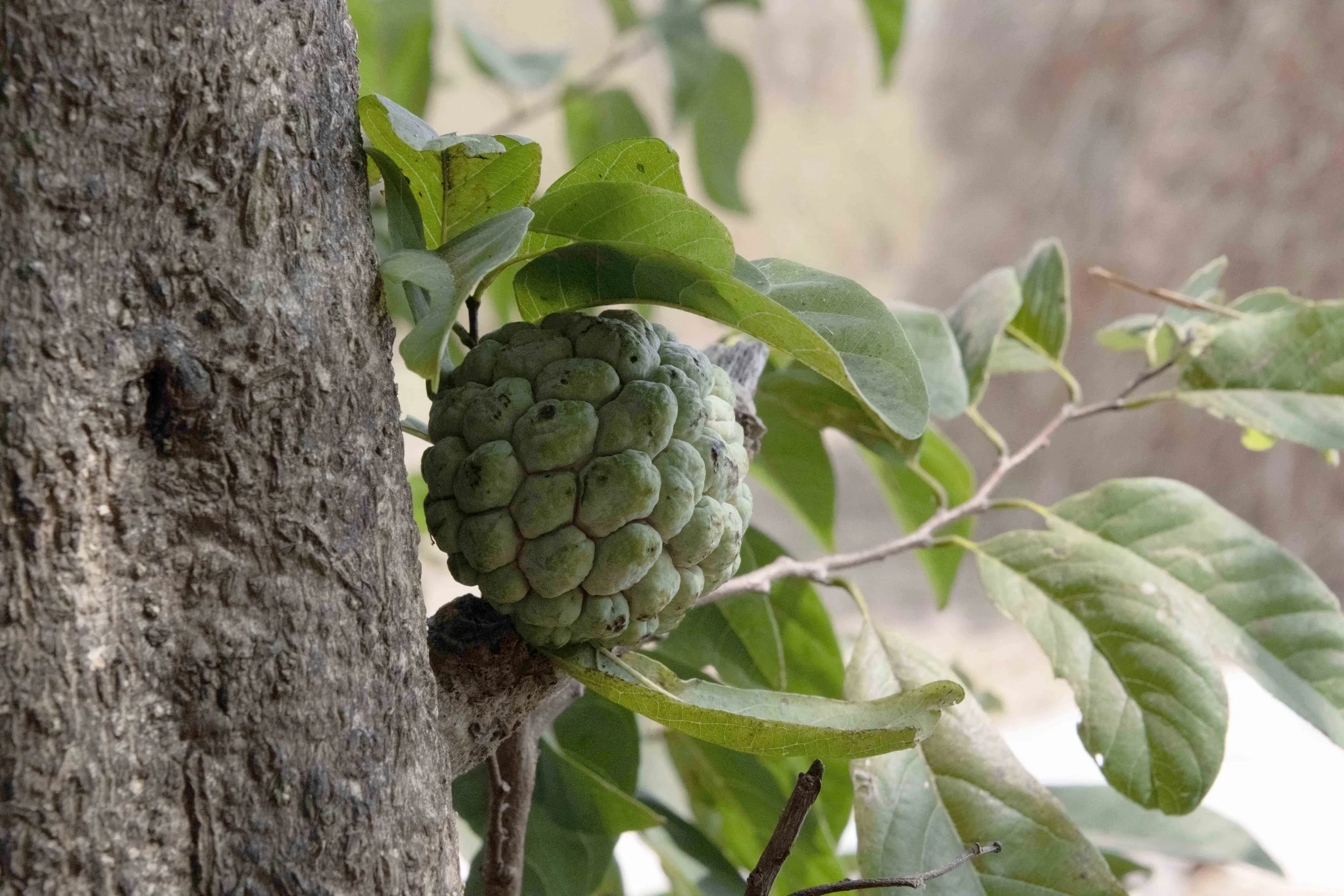
Distribution of high-quality saplings of mango, guava, cashew, and other marketable fruit trees
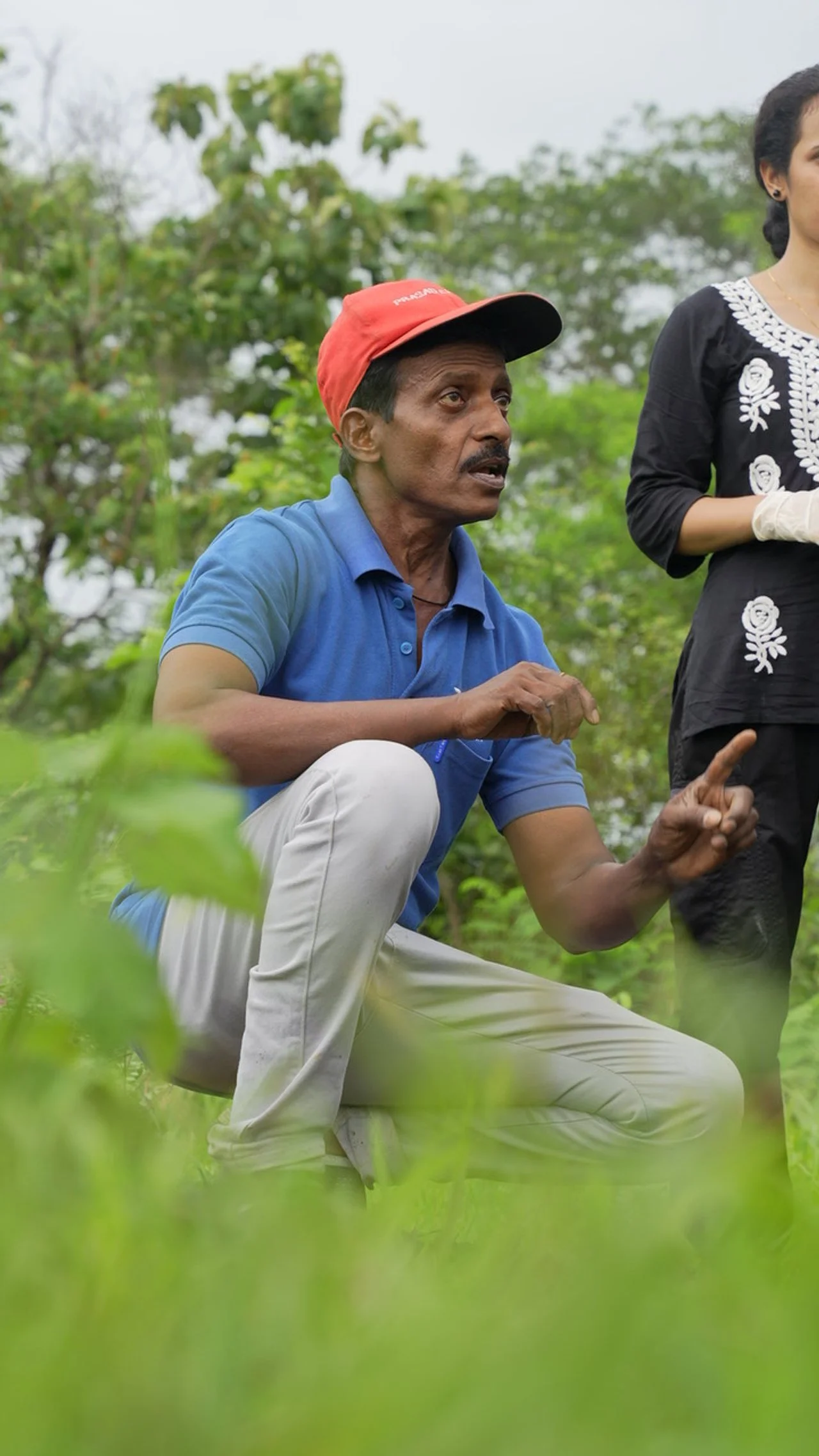
Training in organic farming and orchard management
Long-term improvement of soil health through sustainable techniques
-
Second Crop Integration
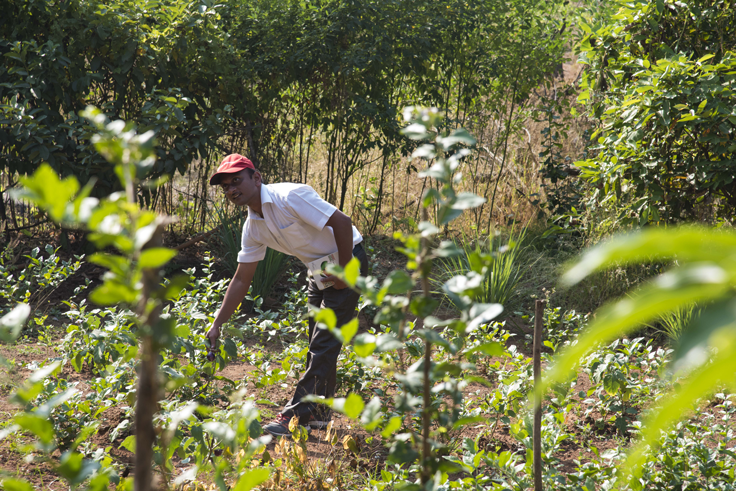
Intercropping of fast-yielding and high-demand flowers like jasmine, marigold, and golden Champa
Flowers begin generating income within the first year of planting
-

Market-Driven Approach
Focus on crops with strong local market demand, especially due to Ganeshpuri’s religious tourism
Farmers sell loose flowers and garlands in nearby markets, ensuring steady cash flow
-
Capacity Building & Sustainability
Ongoing farmer training and technical support
Maintenance of a seed library to ensure future planting cycles
Encouragement of women’s participation and family-based farming units

Increasing year-round agricultural productivity
Impact
This initiative has significantly improved rural livelihoods in the Tansa Valley by:
Reducing dependency on seasonal labor migration
Providing families with fresh fruits for nutrition and additional income
Promoting eco-friendly farming and long-term soil health