
Sanitation
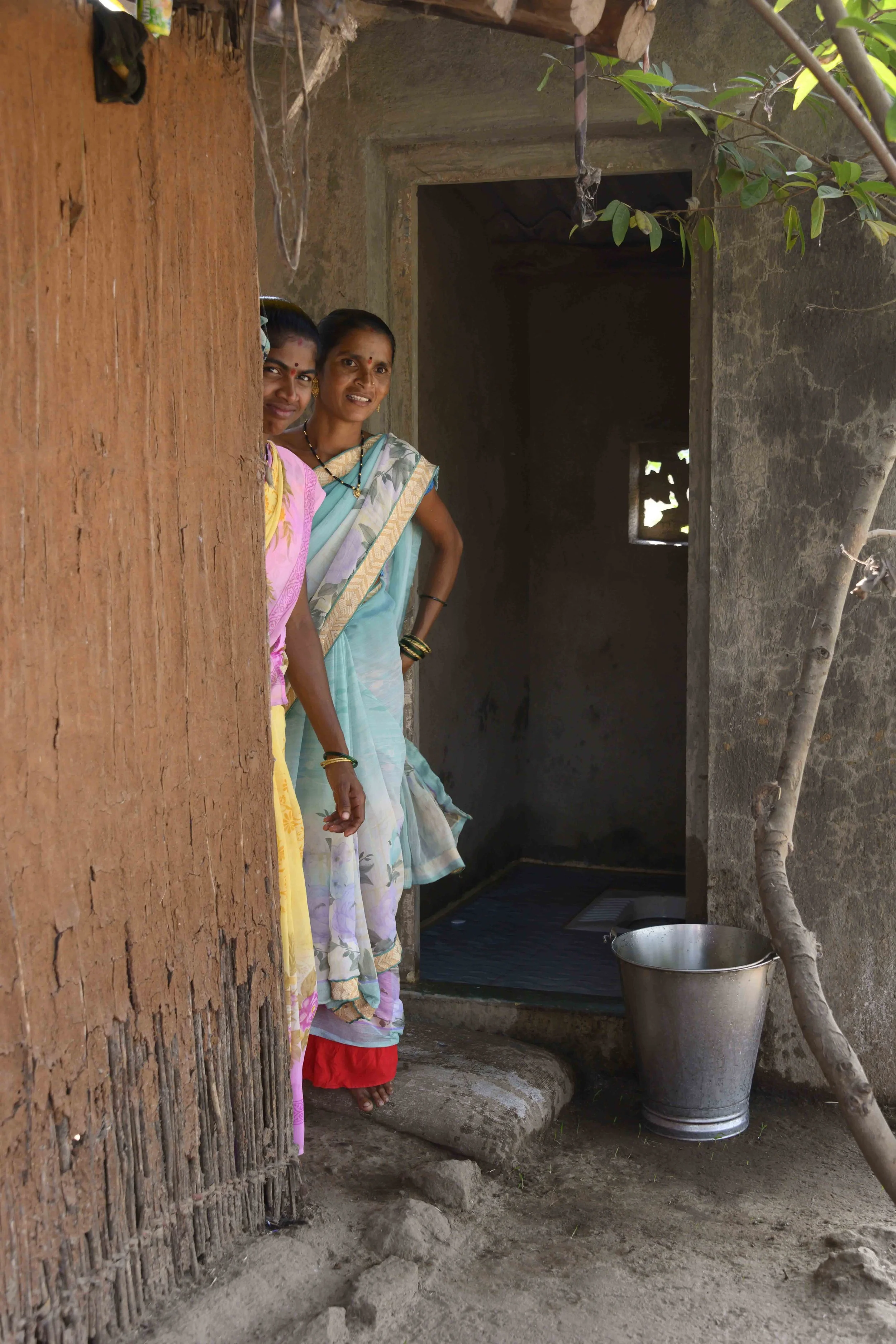
Launched in 2014, PRASAD Chikitsa’s Sanitation Program aims to eliminate open defecation and improve hygiene standards across the Tansa Valley. The initiative supports rural families in building their own toilets, fostering a sense of ownership, dignity, and safety—especially among women and girls who benefit from increased privacy and improved conditions.
1035
Program launched:
Individual Toilets built
School toilet blocks built
2014
12
In many rural areas of India, open defecation has long been a common practice due to limited access to sanitation infrastructure. As of 2023, over 20% of rural households in India still lacked access to basic sanitation.
In the Tansa Valley, this has led to significant public health concerns, environmental contamination, and safety risks—particularly for women, who often had to wait until nightfall to relieve themselves. Schools often lacked usable toilet facilities, which negatively affected student attendance, especially for adolescent girls.
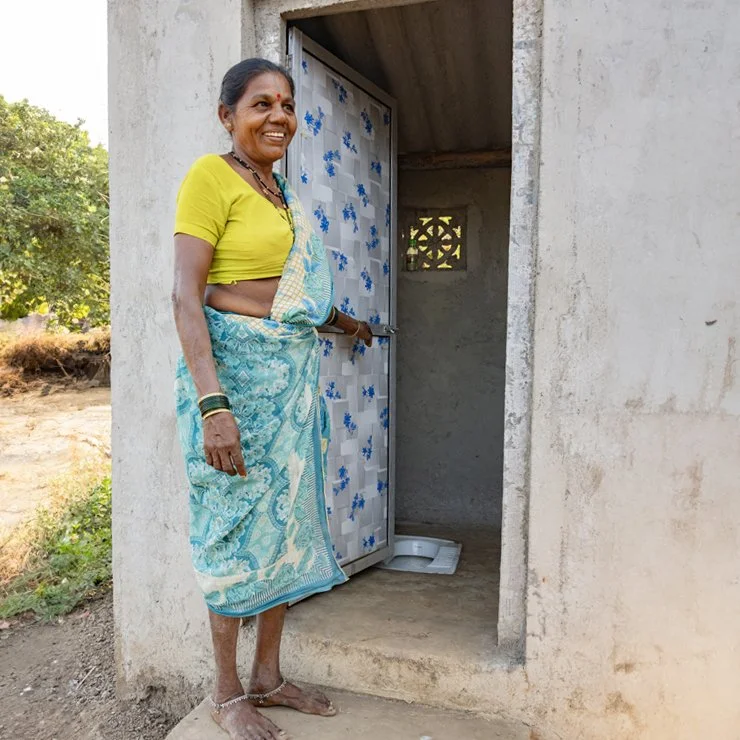
Empowering Women & Restoring Dignity
PRASAD Chikitsa’s sanitation initiative has improved personal safety and dignity for women and girls. Access to toilets has reduced the risks associated with open defecation, including harassment and exposure and has eliminated the need to travel long distances or wait until dark to relieve themselves.
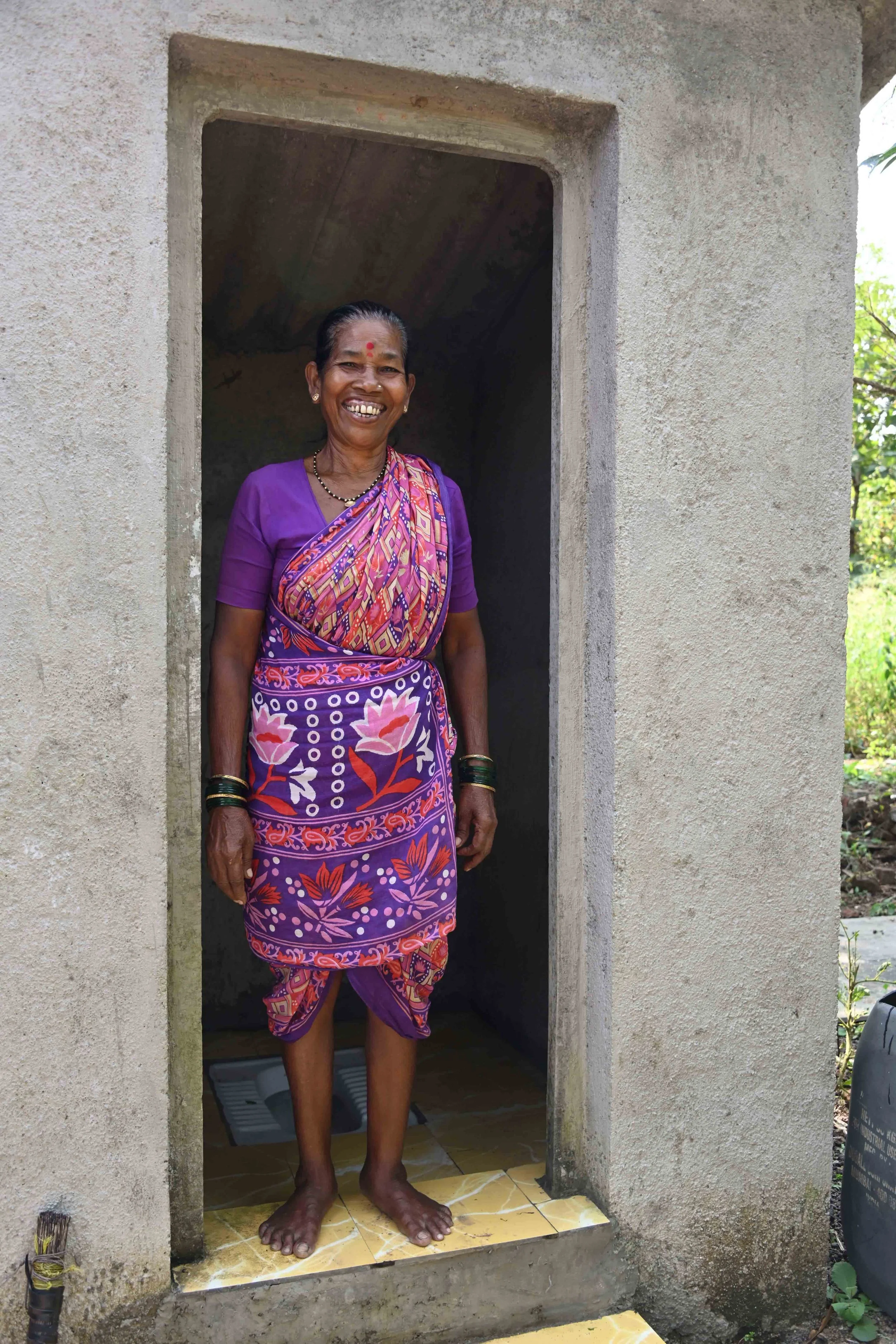
Hygiene Awareness & Behavior Change
The program goes beyond infrastructure by conducting sanitation awareness and behavior change workshops to promote proper toilet use, handwashing, and maintenance, ensuring that facilities are not only built but also used effectively.
Community-Led Toilet Construction
PRASAD Chikitsa works hand-in-hand with villagers to construct household toilets, offering guidance, technical support, and resources while encouraging local participation. This collaborative approach promotes long-term use and maintenance of facilities.
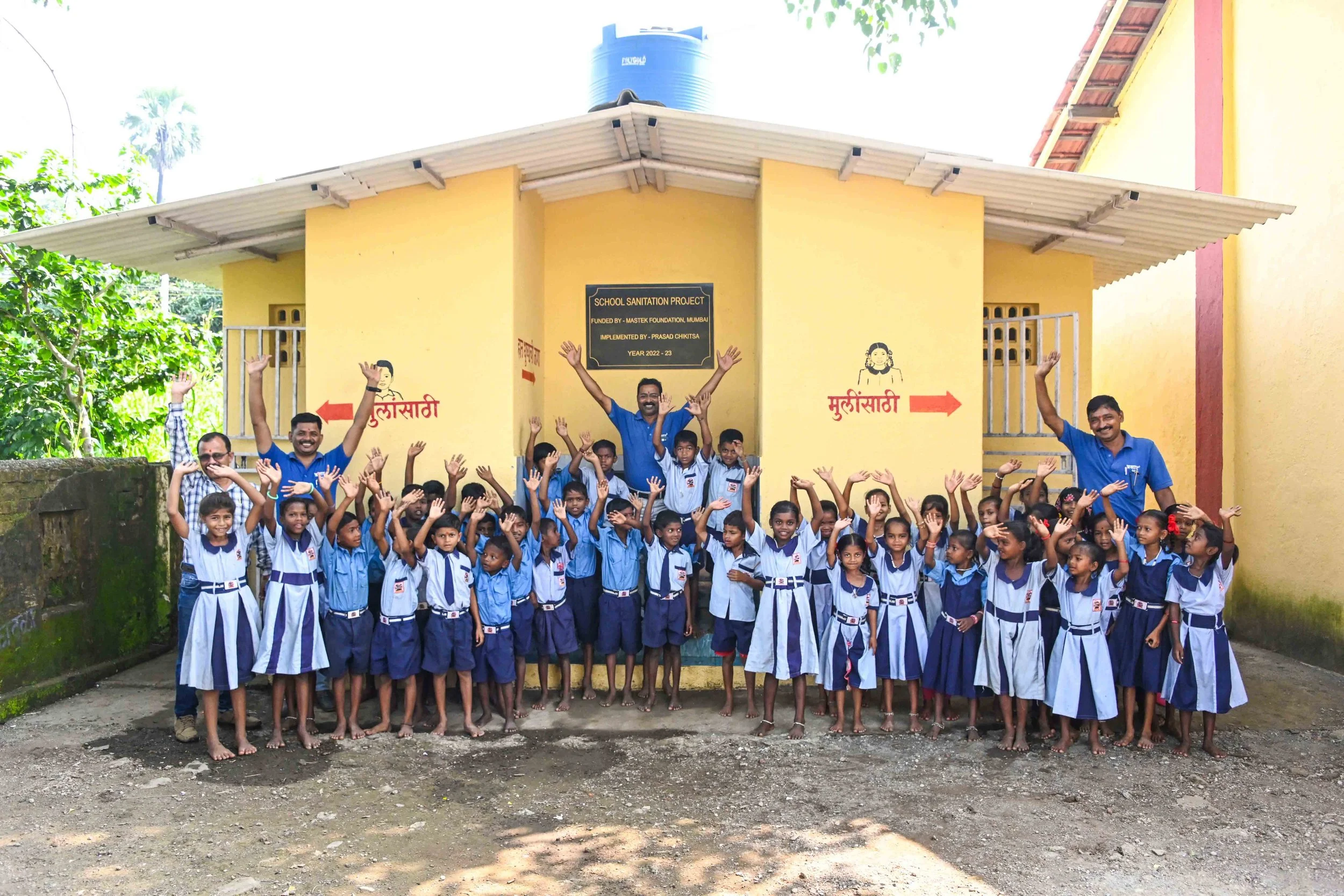
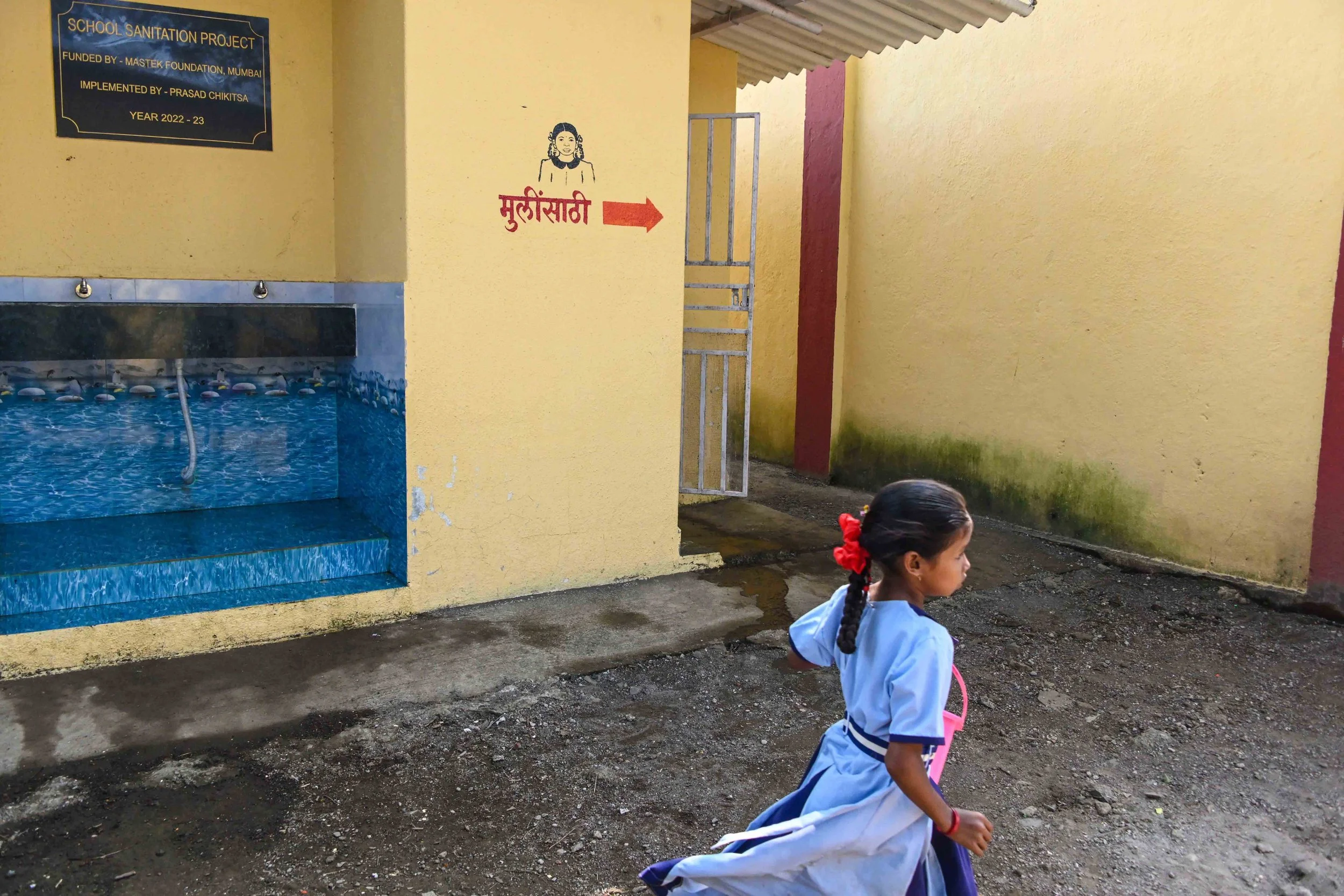
School Sanitation Facilities
In 2020, the program expanded to build its first school toilet block, benefiting both students and staff. Each block serves between 50 to 200 individuals, replacing dilapidated or nonexistent facilities and creating a safer, more hygienic environment that supports education—particularly for adolescent girls, who are more likely to stay in school with proper sanitation.
Impact
The sanitation initiative has dramatically improved hygiene practices in the Tansa Valley, reducing open defecation, increasing school attendance, and enhancing the overall quality of life. The construction of toilets has led to safer communities, improved public health, and greater respect for women’s privacy and safety.
Proper sanitation can reduce diarrheal disease by up to 36% (World Health Organization)