
Self-Help Groups (SHGs)
Since 2001, PRASAD Chikitsa’s Community Development Program has empowered women in the Tansa Valley through the creation and support of Self-Help Groups (SHGs). These groups offer women a pathway to financial independence, leadership, and community engagement. Through micro-banking, vocational training, and participation in governance, the program helps women transform their lives—and their villages—by fostering economic resilience and self-reliance.
Program launched:
2001
Active SHGs
251
Total members
2,821+

In the Tansa Valley, many women face deep-rooted challenges: limited access to education, economic dependence, restricteded mobility, and traditional gender roles. With few opportunities for employment and social participation, women are often excluded from decision-making both at home and within their communities. Poverty and illiteracy further contribute to issues like alcoholism, inadequate infrastructure, and minimal healthcare awareness. Together these challenges negatively impact families and villages across the region.
How We Are Solving It
-
Formation of Self-Help Groups
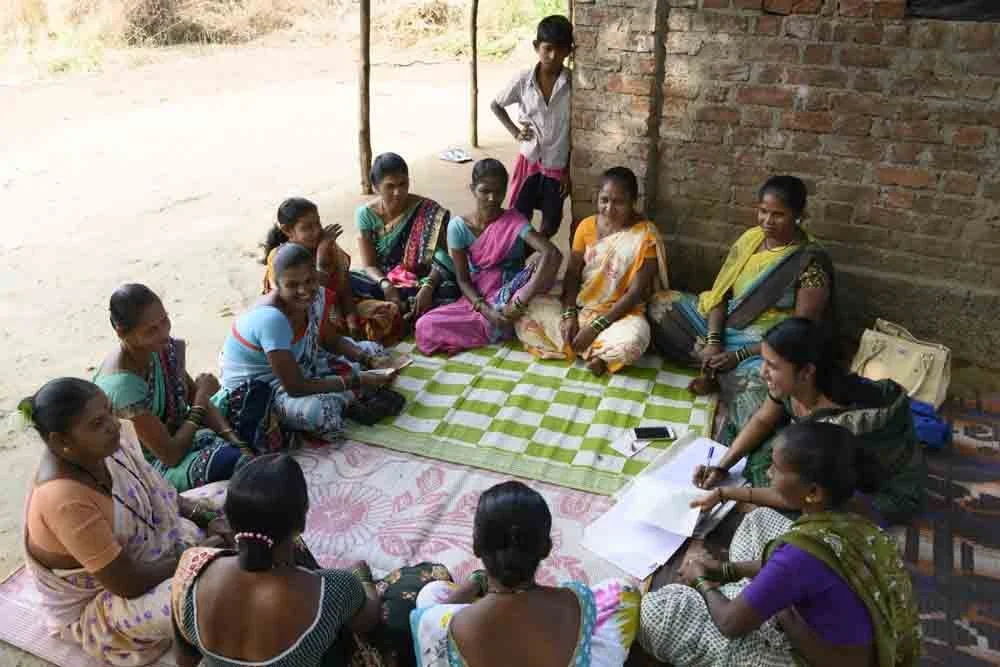
PRASAD Chikitsa helps women organize into Self-Help Groups (SHGs), where members contribute a small amount of money each month to a common savings pool. These groups serve as a financial safety net and a platform for women to develop leadership skills, build mutual trust, and support each other through shared challenges.
-
Financial Literacy and Micro-Banking
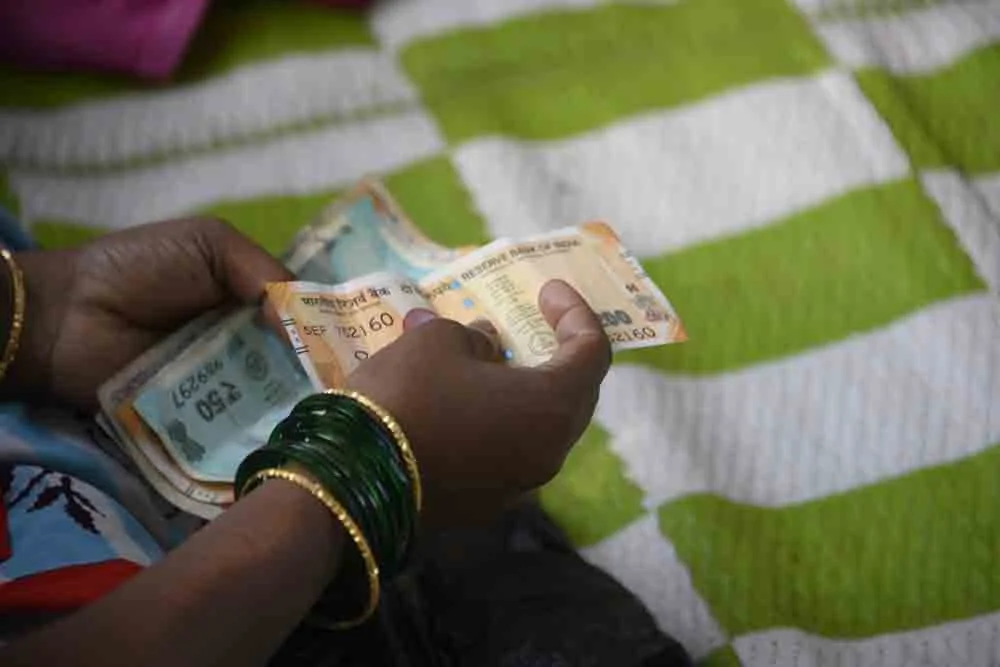
Self-Help Groups provide women with training in budgeting, saving, lending, and bookkeeping. SHGs function as grassroots banks, offering small loans to start or expand local businesses. PRASAD offers guidance on financial planning and decision-making to ensure sustainability.
-
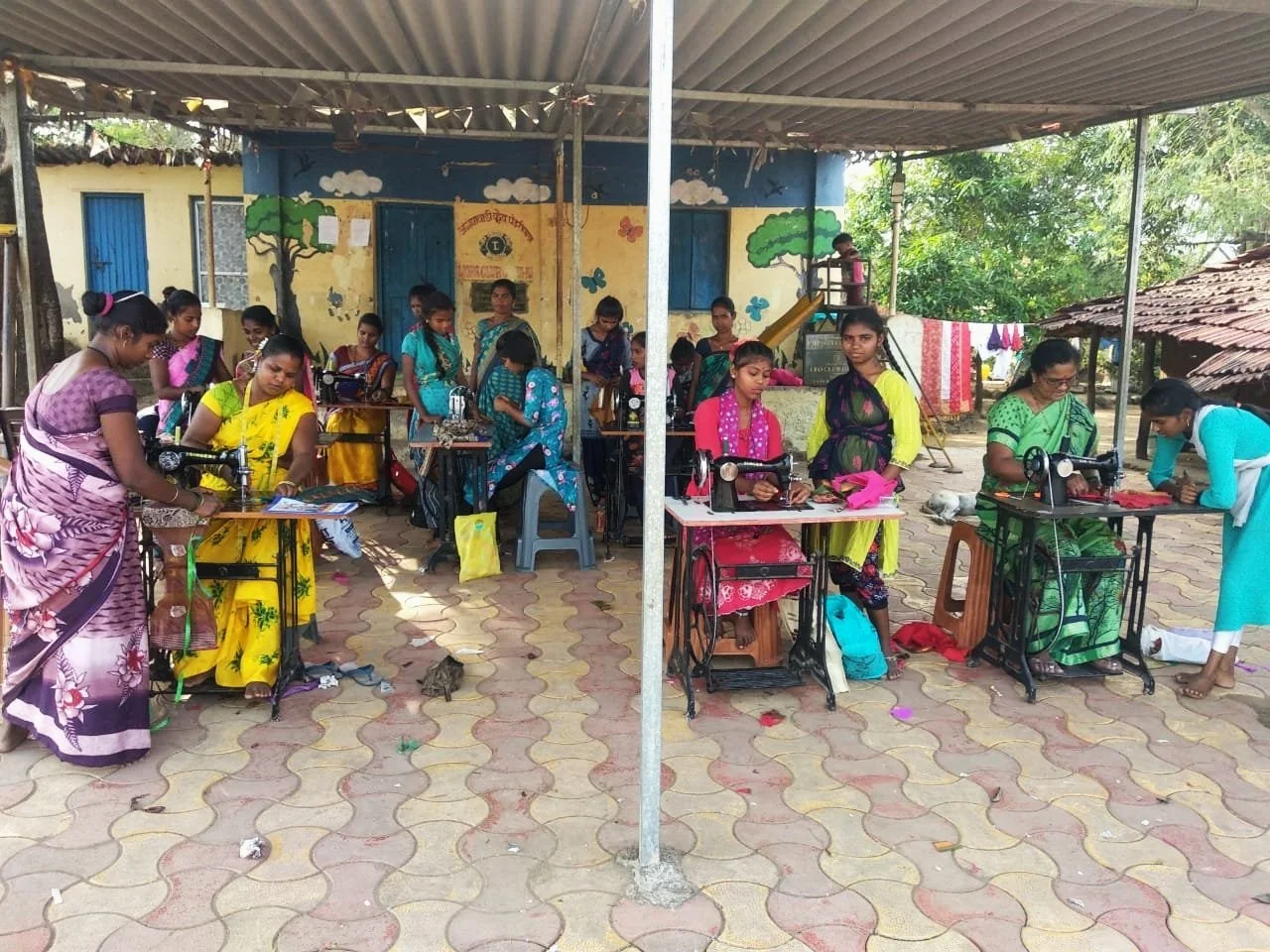
Vocational Training and Entrepreneurship
SHG members gain skills in tailoring, handicrafts, food production, and other income-generating vocations. Many groups launch small-scale businesses, often in partnership with PRASAD or local government schemes.
-
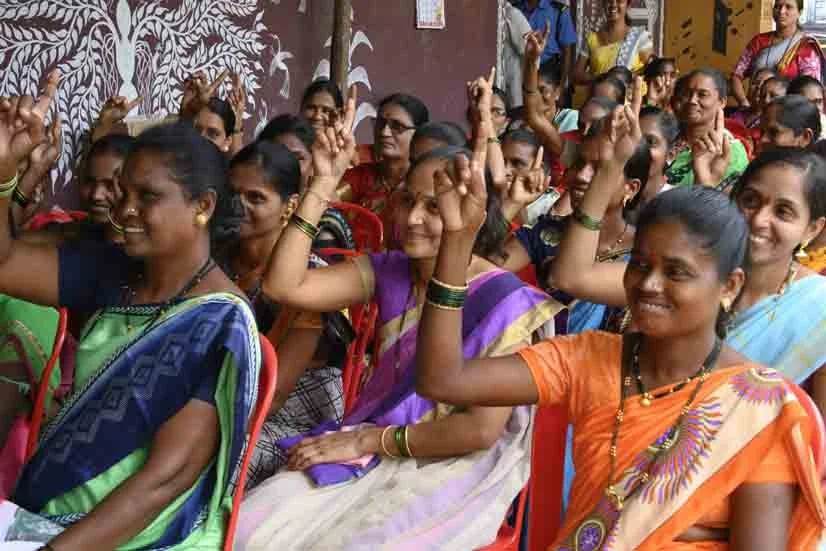
Civic Engagement and Social Leadership
Women are trained to participate in local governance, influence policy decisions, and address community-level concerns. Through SHGs,members lead efforts to improve roads, schools, and sanitation while raising awareness around public health and environmental conservation.
-
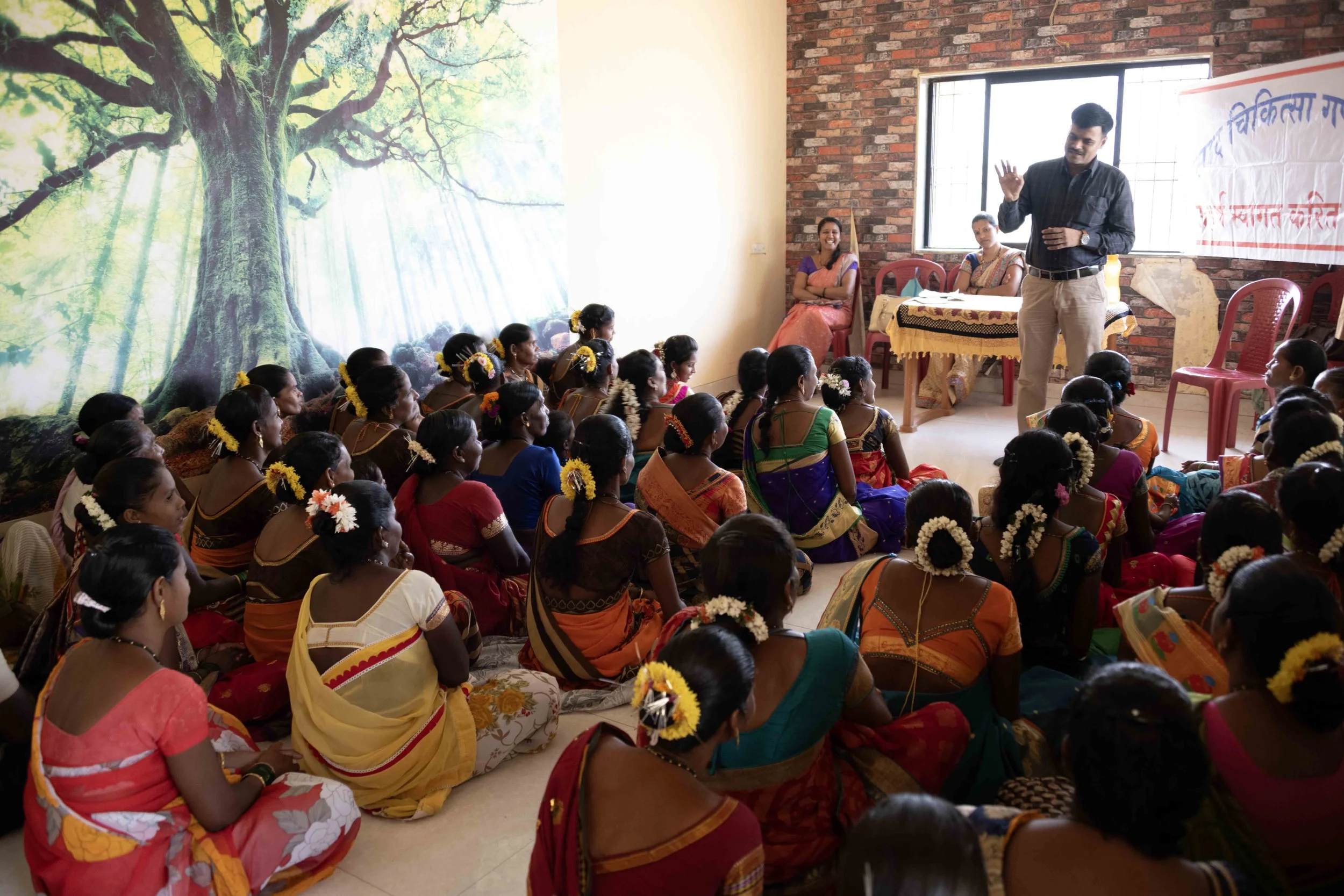
Community Service and Advocacy
Beyond income generation, SHGs play an active role in village development, organizing clean-up drives, leading awareness campaigns on HIV/AIDS, and initiating environmental and infrastructure improvements.
Impact
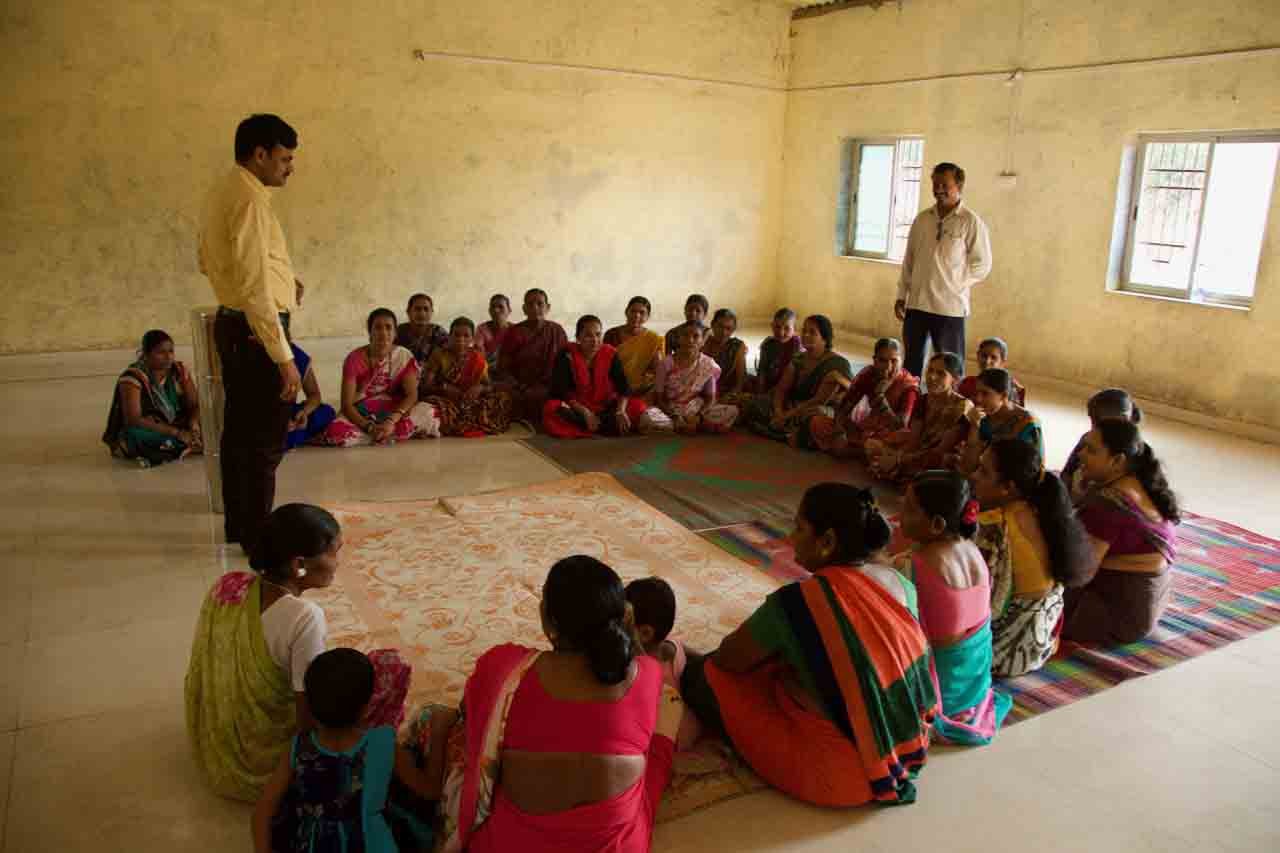
The SHG initiative has sparked a powerful social transformation in the Tansa Valley. Women who once had limited opportunities are now active leaders in their families and communities. Many members have graduated from SHGs, having developed the confidence and skills needed to thrive independently. The success of this program has inspired replication by other NGOs and development agencies.
100%
of women in PRASAD’s SHG have independent bank accounts
loan repayment rate, with all loans paid back on time