Tuberculosis
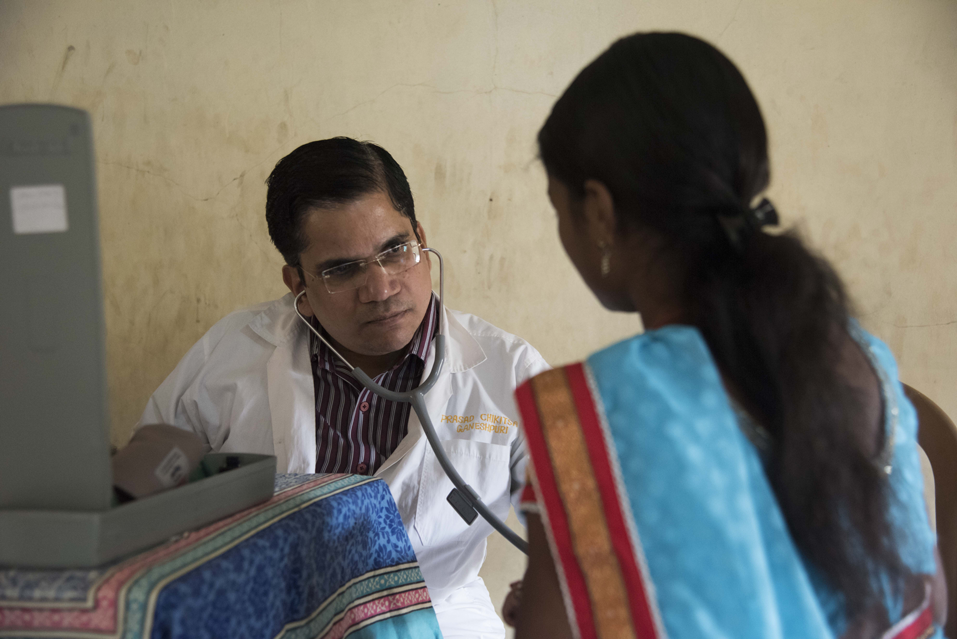
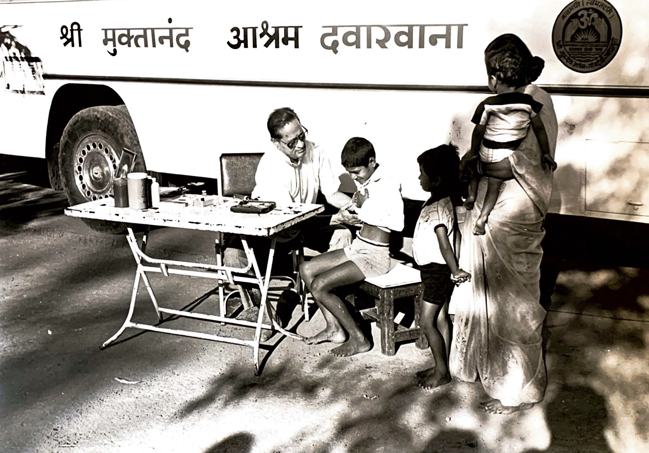
PRASAD Chikitsa’s Tuberculosis (TB) Program began in 1984 to address a serious public health crisis in the rural Tansa Valley. In 2002, it partnered with the government’s National Tuberculosis Elimination Program (NTEP) to roll out the DOTS treatment strategy. Since then, the program has strengthened early diagnosis, access to treatment, and patient support for people in rural communities most affected by Tuberculosis.
Program launched:
1984
DOTS program:
2002
Success rate
95%
Before PRASAD Chikitsa’s intervention, TB was widespread in the Tansa Valley. Poverty, malnutrition, insufficient awareness, and limited healthcare left many adults chronically ill. Local clinics were often overwhelmed, treatment was frequently interrupted, and the disease continued to spread—deepening poverty and long-term disability.
How We Are Solving It
-
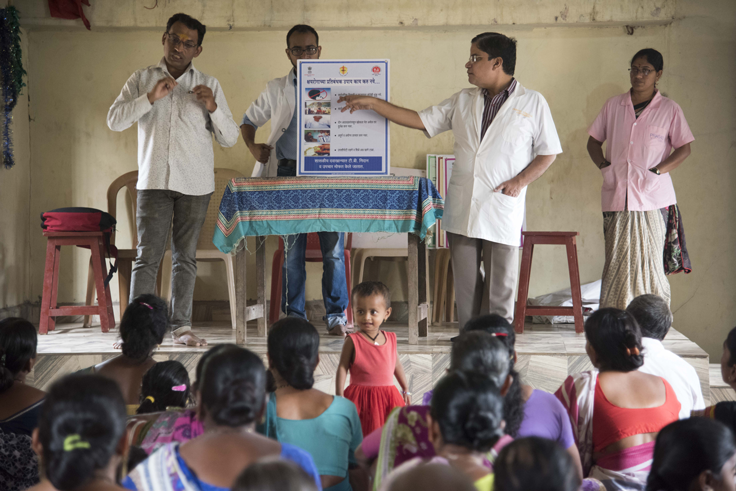
Early Detection and Diagnosis
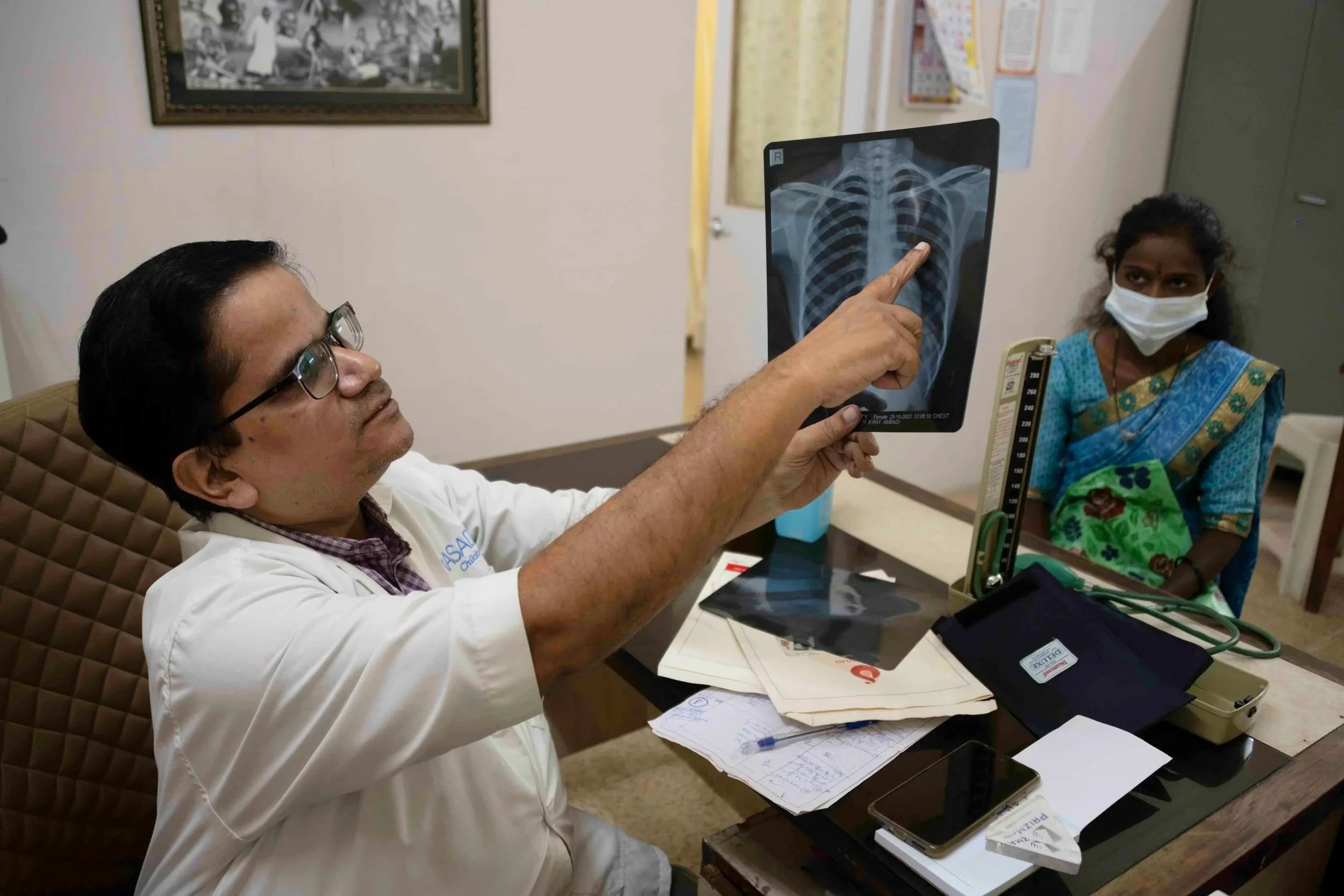
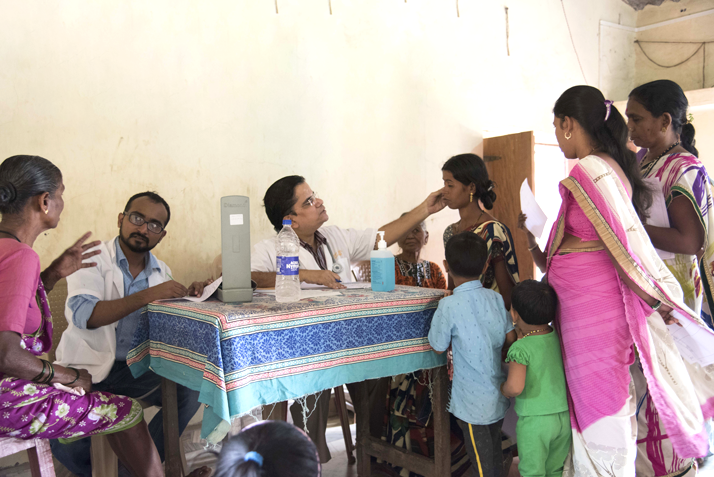
PRASAD Chikitsa provides community-based TB screenings, referrals for chest X-rays, and access to laboratory testing for early and accurate diagnosis. Awareness drives help educate the community on TB symptoms and the importance of seeking timely treatment.
-
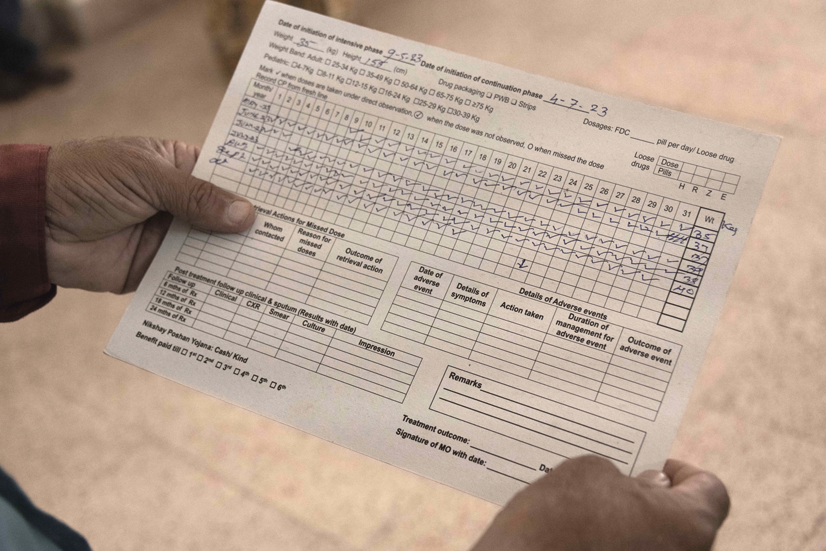
DOTS Treatment in Partnership with NTEP
Since 2002, the program has followed the DOTS protocol in partnership with the government, ensuring patients complete their full course of medication under supervised care. This approach reduces drug resistance, prevents relapses, and limits the spread of the disease.
-
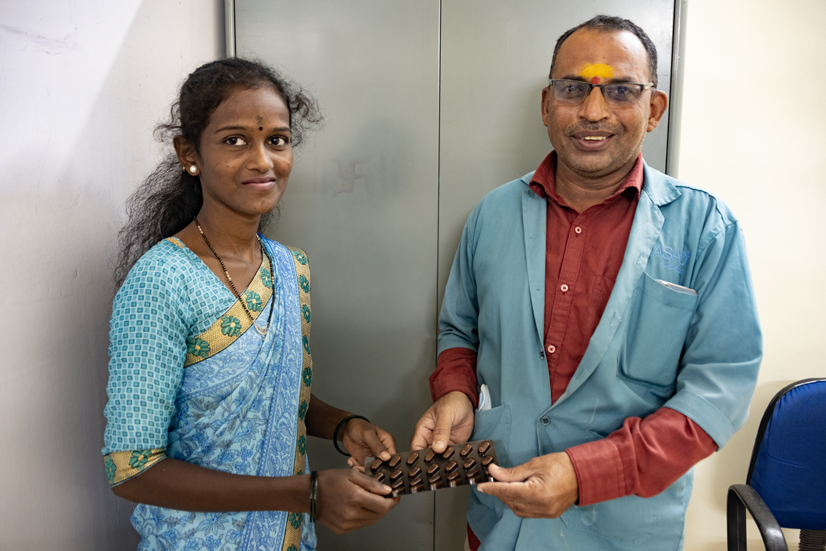
Nutritional and Emotional Support
Many TB patients also suffer from malnutrition, which weakens immunity and slows reccuperation. To address this, PRASAD Chikitsa provides nutritional supplements, counseling, and follow-up care to support complete recovery and prevent reinfection.
-
Home Visits and Adherence Monitoring
Field health workers make regular home visits to check on patients, ensure medication compliance, and offer ongoing support. These visits improve treatment adherence, a key challenge in effective TB control.
Impact
Since its launch, PRASAD Chikitsa’s TB Program has played a vital role in reducing the incidence and severity of tuberculosis in the Tansa Valley. In collaboration with the government and through persistent community outreach, the program has raised awareness, reduced stigma, and helped hundreds of patients achieve full recovery—with a 95% treatment success rate. Consistent engagement and follow-up have been key to sustaining these outcomes and breaking the cycle of infection. The TB Program also works hand-in-hand with other health initiatives, including nutrition, HIV/AIDS awareness, and general curative care, creating a holistic healthcare model for vulnerable rural communities.